March 19, 2026

Clean and safe drinking water is a basic need, but unfortunately, water pollution is increasing day by day. In Pakistan, many areas have water...

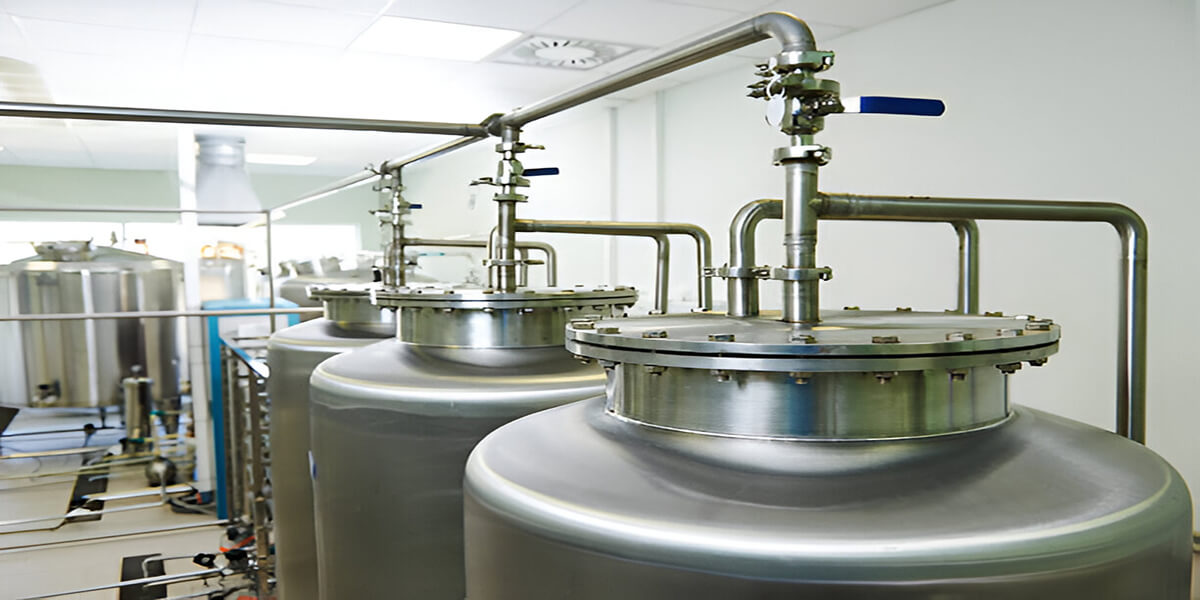
In water treatment systems, the choice of material is just as important as the technology itself. One material that plays a critical role in reliability and performance is stainless steel. From pipelines to storage tanks and filtration units, stainless steel is widely used across domestic, commercial, and industrial water treatment applications.
At HUNK WATER TECHNOLOGIES, we prioritize high-quality materials to ensure long-term efficiency and safety. This article explains why stainless steel is a preferred option in water treatment equipment.
Water often contains dissolved salts, minerals, and chemicals that can corrode ordinary metals. Stainless steel is designed to resist corrosion and rust, even in challenging conditions.
✔ Longer equipment life
✔ Reduced maintenance costs
✔ Stable performance
Corrosion-resistant materials are especially important in RO plants, pressure vessels, and water storage systems.
Stainless steel has a smooth, non-porous surface that helps prevent the buildup of bacteria and biofilm. This makes it suitable for systems where water purity is critical.
✔ Easy to clean
✔ Supports hygienic operation
✔ Suitable for drinking water applications
For industries such as food processing, pharmaceuticals, and healthcare, hygiene is a top priority.
Water treatment equipment operates under pressure, varying temperatures, and continuous flow. Stainless steel provides excellent mechanical strength.
✔ Withstands high pressure
✔ Resistant to physical damage
✔ Performs well in harsh environments
This durability reduces the risk of leaks, cracks, and structural failures.
Treatment processes often involve chemicals such as antiscalants, disinfectants, and cleaning agents. Stainless steel is compatible with many of these substances.
✔ Handles oxidizing environments
✔ Suitable for ozone and UV systems
✔ Resistant to chemical reactions
In some applications, water systems experience high temperatures during cleaning or operation. Stainless steel maintains stability under heat.
✔ No warping or weakening
✔ Reliable in thermal variations
Compared to coated metals or plastics, stainless steel requires minimal upkeep.
✔ No frequent repainting
✔ Less risk of contamination
✔ Lower lifecycle costs
Although the initial cost may be higher, the long-term savings are significant.
Stainless steel is recyclable and environmentally friendly. It supports sustainable engineering practices.
✔ Reusable material
✔ Reduced waste
✔ Long service life
In water treatment systems, stainless steel is found in:
Material selection directly affects the safety, durability, and efficiency of water treatment equipment. Stainless steel offers corrosion resistance, hygiene, strength, and long-term reliability, making it a trusted choice in modern systems.
HUNK WATER TECHNOLOGIES designs and supplies water treatment solutions using high-grade materials to ensure consistent performance and customer satisfaction.
Clean and safe drinking water is a basic need, but unfortunately, water pollution is increasing day by day. In Pakistan, many areas have water...
Blocked pipes are one of the most common problems in homes and businesses across Pakistan. If your water flow is slow or pipes are...
A clean and well-maintained swimming pool is not just about looks—it is essential for health, safety, and long-term performance. At HUNK WATER TECHNOLOGIES, we...