March 19, 2026

Clean and safe drinking water is a basic need, but unfortunately, water pollution is increasing day by day. In Pakistan, many areas have water...
TDS stands for Total Dissolved Solids.
Think of a glass of water; it looks clear. You think it’s pure, but inside that water, there are tiny particles of minerals, salts, and organic matter that have dissolved over time. These aren’t visible bubbles or dirt—they are microscopic solids that have become part of the liquid.
Most of what makes up TDS is actually stuff your body needs, such as:
However, TDS can also include things you don’t want, like:
Not necessarily! This is the biggest misconception about water.
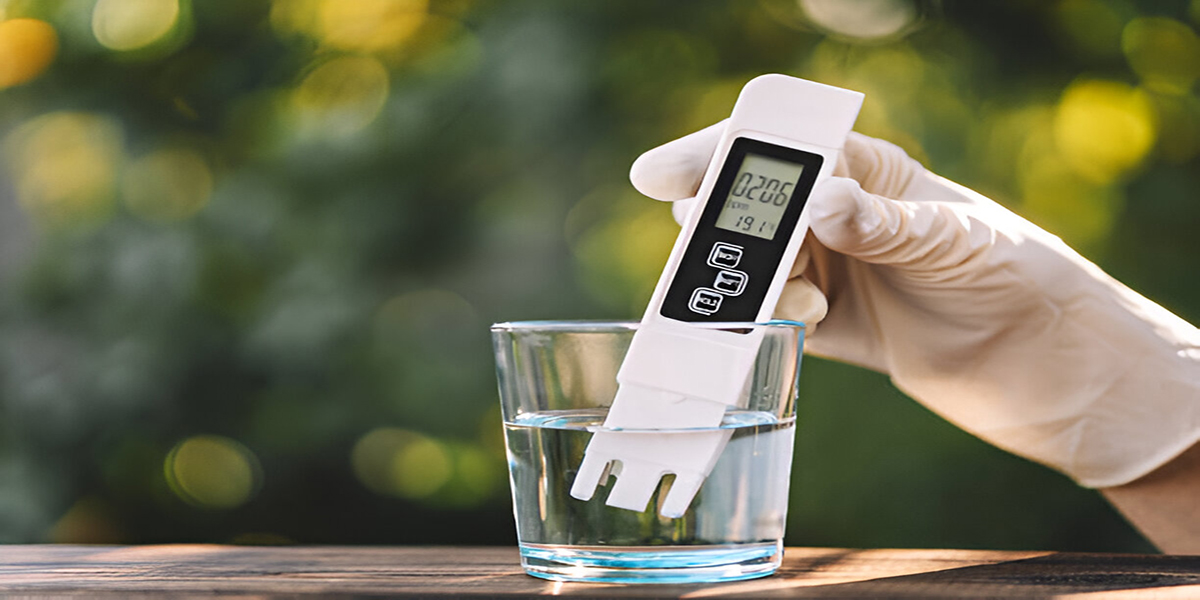
You can actually buy a small, handheld TDS Meter for a few dollars. You dip it in a glass of water, and it gives you a digital reading.
Important Note: A TDS meter tells you how much stuff is in your water, but it doesn’t tell you what that stuff is. It can’t distinguish between “healthy calcium” and “unhealthy lead.”
The goal isn’t to get your TDS to zero; it’s to make sure your water is safe.
TDS is simply a measure of “stuff” in your water. While a very high reading is a red flag, a moderate reading is actually a good sign that your water is mineral-rich.
Don’t aim for zero—aim for clean, safe, and great-tasting!
Clean and safe drinking water is a basic need, but unfortunately, water pollution is increasing day by day. In Pakistan, many areas have water...
Blocked pipes are one of the most common problems in homes and businesses across Pakistan. If your water flow is slow or pipes are...
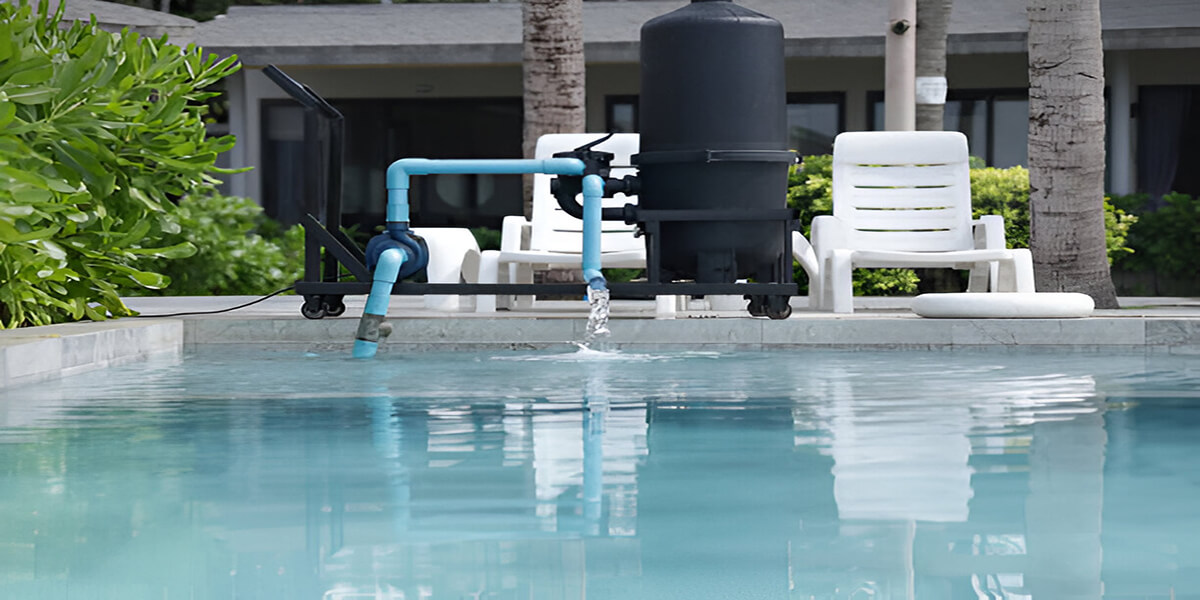
A clean and well-maintained swimming pool is not just about looks—it is essential for health, safety, and long-term performance. At HUNK WATER TECHNOLOGIES, we...