March 19, 2026

Clean and safe drinking water is a basic need, but unfortunately, water pollution is increasing day by day. In Pakistan, many areas have water...
pH is a small word with a big meaning when it comes to water quality.
Simply put, pH tells us whether water is acidic, neutral, or alkaline (basic).
It is measured on a scale from 0 to 14.
Most healthy drinking water falls between pH 6.5 and 8.5.
pH affects:
Taste of water
Safety for drinking
Plumbing & pipes
Effectiveness of filtration systems
If pH is too low or too high, problems may occur.
Water with low pH (below 6.5) may:
Water with high pH (above 8.5) may:
In most cases, small pH variations are not directly harmful, but:
⚠ Extreme pH levels can irritate skin
⚠ May affect digestion
⚠ Can indicate other water quality issues
Balanced pH is always best.
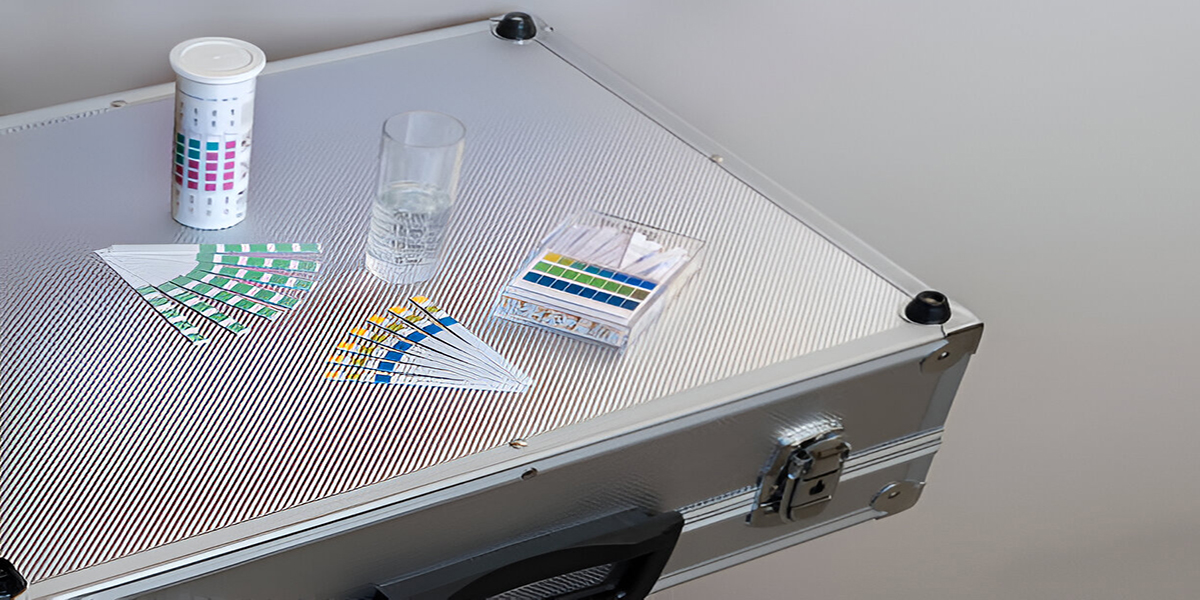
You can check pH by:
✔ pH test strips
✔ Digital pH meters
✔ Laboratory water testing
Regular testing helps maintain safe water.
Different solutions are used depending on the issue:
Proper treatment improves both taste and safety.
pH is an important indicator of water quality.
It helps ensure your water is:
Safe
Pleasant tasting
Gentle on pipes & appliances
Monitoring pH is a smart step toward better water.
Clean and safe drinking water is a basic need, but unfortunately, water pollution is increasing day by day. In Pakistan, many areas have water...
Blocked pipes are one of the most common problems in homes and businesses across Pakistan. If your water flow is slow or pipes are...
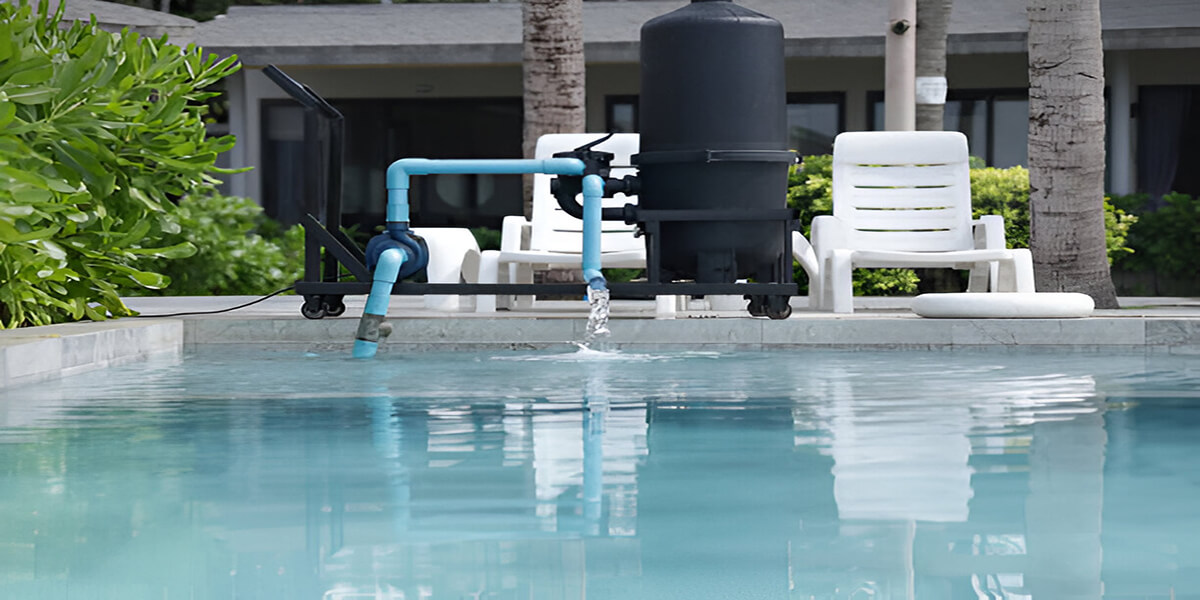
A clean and well-maintained swimming pool is not just about looks—it is essential for health, safety, and long-term performance. At HUNK WATER TECHNOLOGIES, we...