March 25, 2026

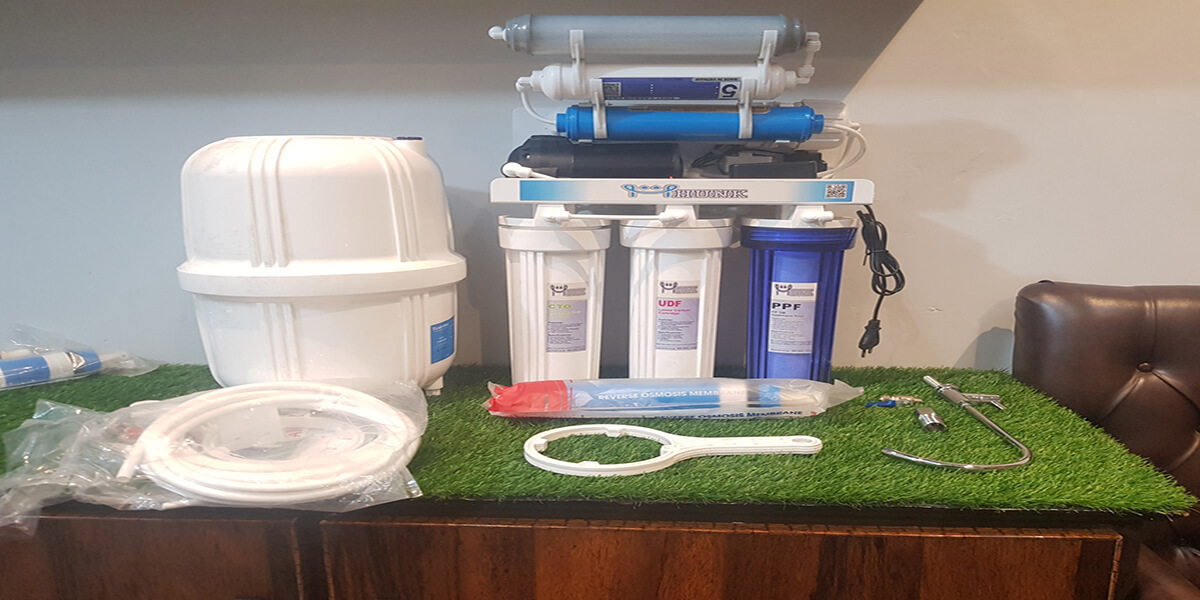
Clean and safe drinking water is not a luxury—it’s a necessity. In many areas of Pakistan, especially in cities like Lahore, water quality is...

Maintaining freshness and safety is a major challenge in the food processing industry. From dairy and beverages to fruits, vegetables, and packaged foods, preventing spoilage is essential for quality and profitability. One technology that helps achieve this is ozone treatment.
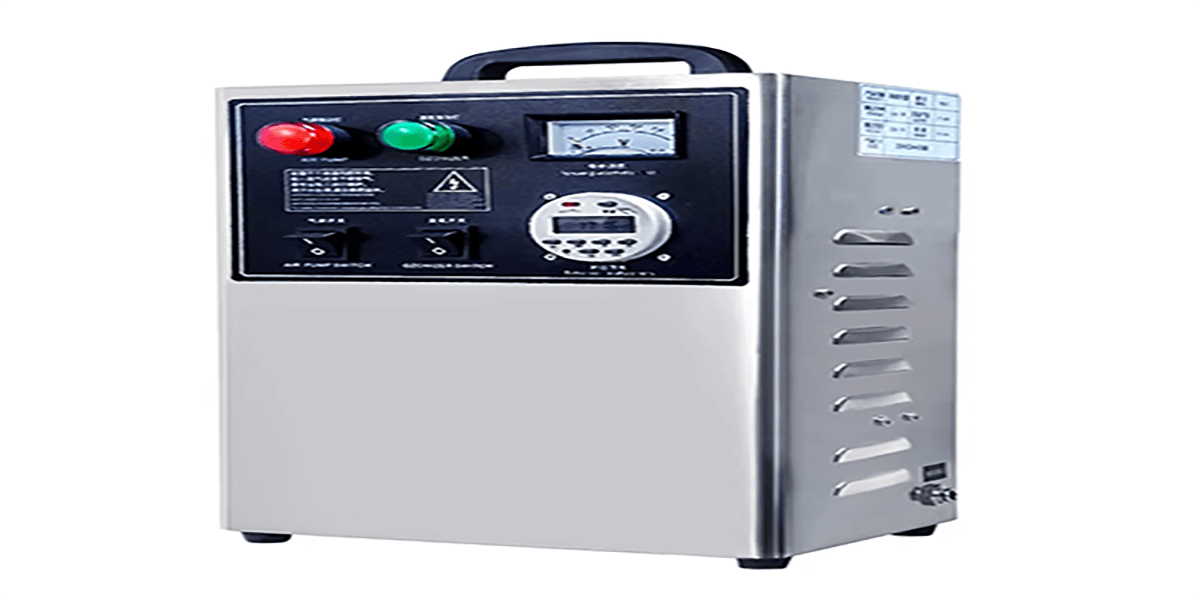
At HUNK WATER TECHNOLOGIES, we provide ozone-based solutions that improve hygiene and extend product shelf life. This article explains how ozone works and why it is valuable in food processing.
Ozone (O₃) is a strong oxidizing agent made from oxygen. It is widely used for disinfection, microbial control, and odor removal. Ozone naturally breaks down into oxygen after use, leaving no harmful chemical residue.
Short shelf life can cause product losses, financial waste, and supply chain problems. Extending shelf life helps maintain freshness, safety, and quality for longer periods.
Ozone is effective in killing bacteria, viruses, mold, and yeast. Reducing microbial load, it slows down food spoilage and helps maintain product quality.
Ozone can be applied in water or air to disinfect raw materials, equipment, and packaging areas. This improves overall plant hygiene and reduces contamination risks.
For fruits and vegetables, ozone-treated water can remove pesticides, reduce microbial contamination, and slow decay, which is especially useful for export-quality produce.
Ozone neutralizes odors caused by bacterial activity, keeping processing areas cleaner and improving working conditions.
Unlike traditional disinfectants, ozone leaves no chemical residue, does not alter taste, and does not require rinsing.
Ozone is commonly used in:
Proper system design and dosing are important for safe and effective use of ozone. Key factors include:
Professional installation ensures reliable and safe operation.
Ozone technology improves hygiene, reduces microbial contamination, and extends shelf life in food processing. It provides an efficient and environmentally friendly method for maintaining food quality.
HUNK WATER TECHNOLOGIES offers ozone generator solutions designed for food and beverage applications, ensuring safe and reliable performance.
Clean and safe drinking water is not a luxury—it’s a necessity. In many areas of Pakistan, especially in cities like Lahore, water quality is...
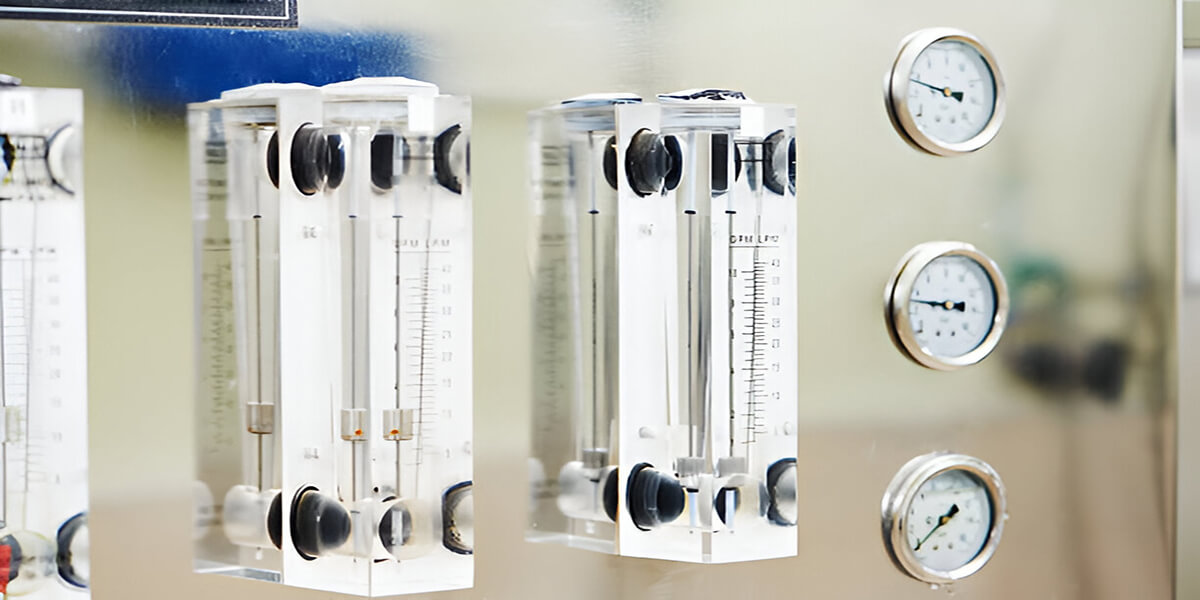
Clean and safe drinking water is a basic need, but unfortunately, water pollution is increasing day by day. In Pakistan, many areas have water...
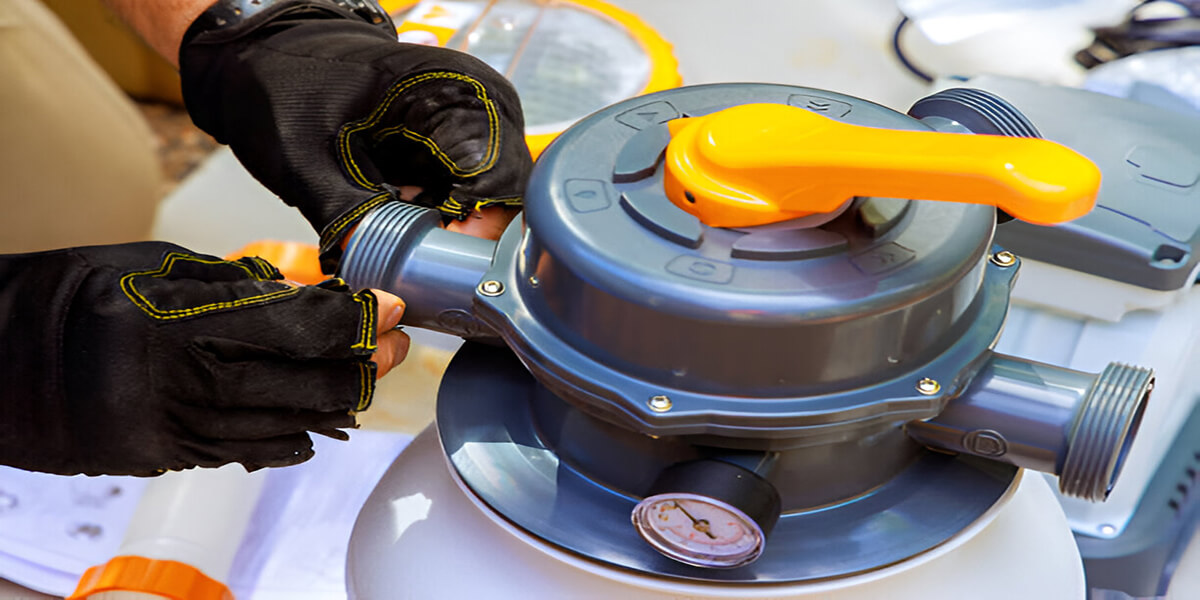
Blocked pipes are one of the most common problems in homes and businesses across Pakistan. If your water flow is slow or pipes are...