March 25, 2026

Clean and safe drinking water is not a luxury—it’s a necessity. In many areas of Pakistan, especially in cities like Lahore, water quality is...

Water is a critical part of almost every industry. It is used in manufacturing, cooling systems, boilers, cleaning processes, food production, textiles, pharmaceuticals, and many other operations. However, untreated or poorly treated water often forces factories to use excessive chemicals to control scaling, corrosion, bacteria, and contamination.
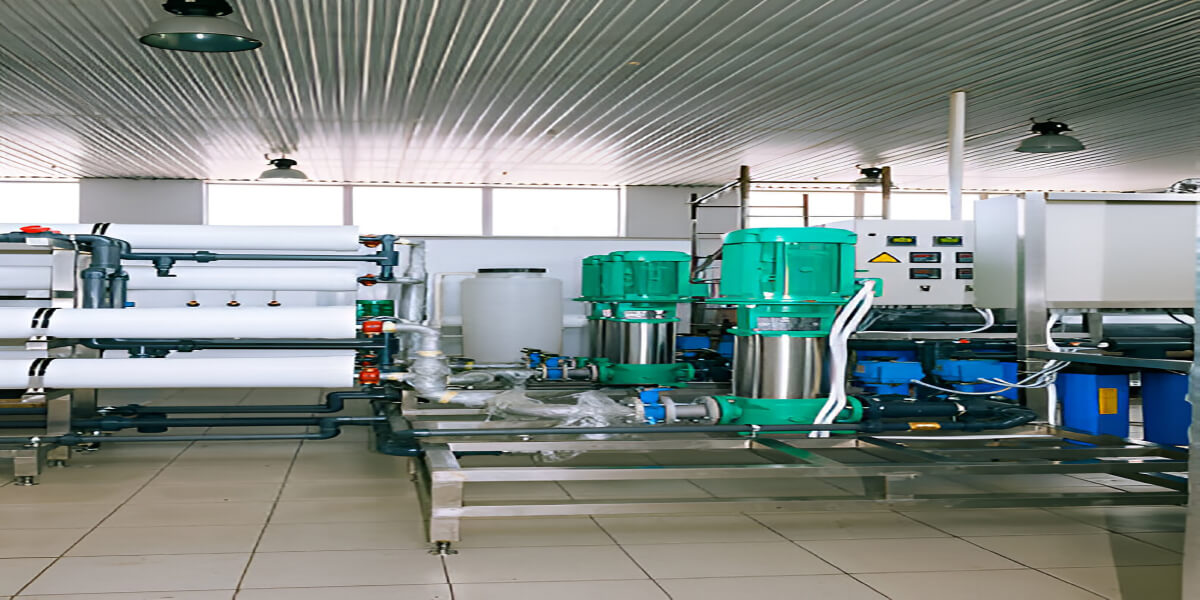
At HUNK WATER TECHNOLOGIES, we provide advanced industrial water filtration systems that help factories improve water quality and significantly reduce chemical usage. In this blog, we will explain in simple words how industrial water filtration works and how it saves both money and chemicals.
In many factories, raw water contains:
To control these issues, industries often add:
While these chemicals are necessary in some cases, overuse increases operational costs and can harm equipment and the environment.
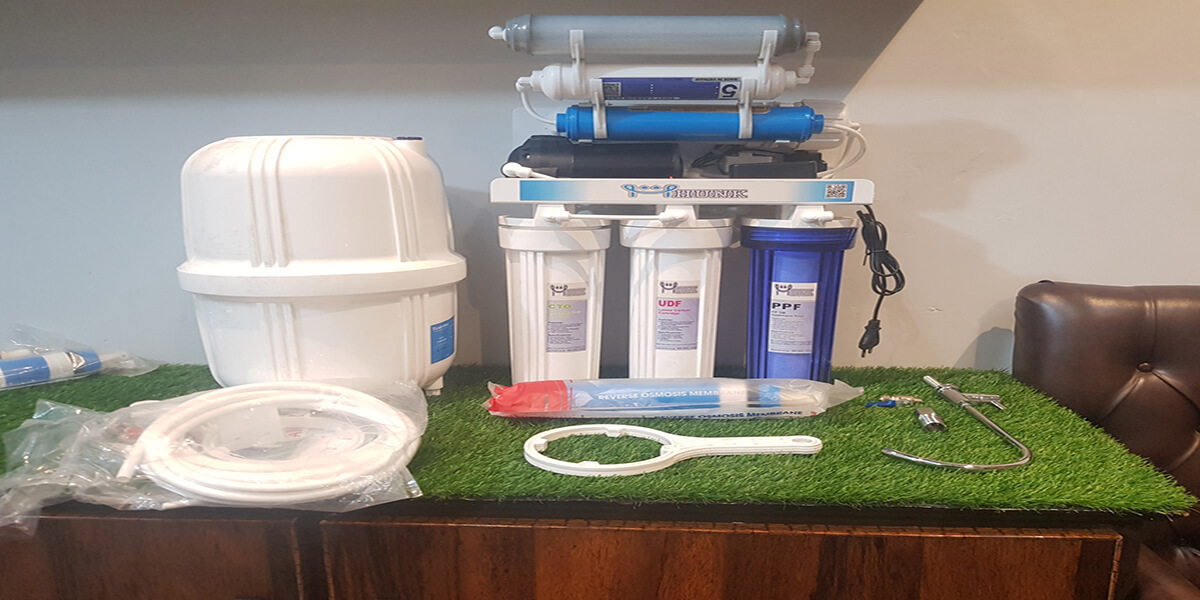
Industrial water treatment refers to advanced systems that remove impurities from water before it is used in industrial processes. These systems may include:
By improving water quality early on, factories reduce the need for heavy chemical treatment later.
When suspended particles are removed through filtration, there is less need for chemical coagulants and clarifiers. Clean water reduces clogging and protects machinery.
Hard water causes scaling in boilers and heat exchangers. Installing softening systems or RO plants reduces hardness naturally. This means lower use of anti-scalant chemicals.
Filtration systems combined with UV or membrane technology remove microorganisms effectively. As a result, factories can reduce excessive chlorine or biocide usage.
In cooling towers, poor water quality leads to corrosion and scaling. With proper filtration, chemical dosing can be optimized instead of overused.
Advanced filtration systems help stabilize water composition, reducing the need for frequent pH correction chemicals.
Reducing chemical usage directly lowers operational expenses. But the benefits do not stop there:
In the long term, investing in proper filtration is more economical than continuously buying chemicals.
Factories today are under pressure to follow environmental regulations. Excessive chemical discharge can:
By using efficient industrial water filtration, factories reduce chemical discharge and move toward more sustainable operations.
Industrial water filtration is especially useful in:
In Pakistan, where water quality varies greatly, proper filtration is essential for consistent industrial performance.
At HUNK WATER TECHNOLOGIES, we design customized industrial water filtration systems based on:
Our solutions are designed to reduce chemical dependency, improve efficiency, and lower operational costs. We focus on delivering reliable, energy-efficient, and low-maintenance systems for industries across Pakistan.
Industrial water filtration is not just about cleaning water. It is about improving factory efficiency, reducing chemical usage, lowering costs, and protecting the environment.
Instead of relying heavily on chemicals to fix water problems, the smarter approach is to treat water properly from the start.
If your factory wants to reduce chemical expenses and improve performance, contact HUNK WATER TECHNOLOGIES today for professional consultation and advanced industrial water filtration solutions.
Clean water means smarter production and better profits.
Clean and safe drinking water is not a luxury—it’s a necessity. In many areas of Pakistan, especially in cities like Lahore, water quality is...
Clean and safe drinking water is a basic need, but unfortunately, water pollution is increasing day by day. In Pakistan, many areas have water...
Blocked pipes are one of the most common problems in homes and businesses across Pakistan. If your water flow is slow or pipes are...