March 19, 2026

Clean and safe drinking water is a basic need, but unfortunately, water pollution is increasing day by day. In Pakistan, many areas have water...

A Complete Guide by HUNK WATER TECHNOLOGIES
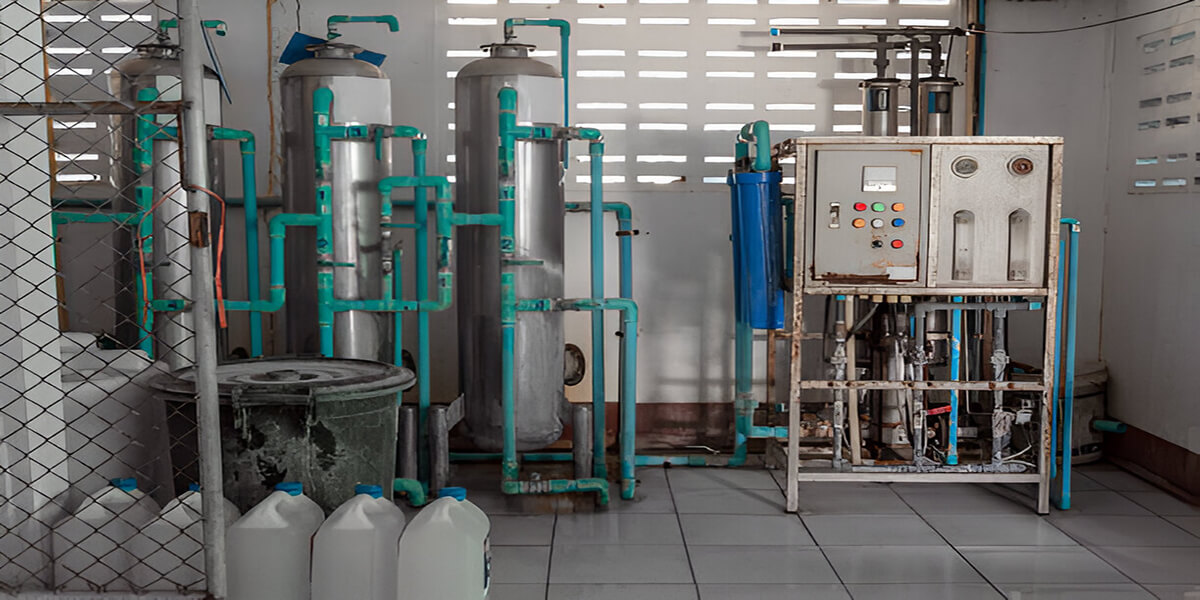
Clean drinking water is a basic need, but due to increasing water pollution, many areas in Pakistan require proper filtration systems. Whether you want to install a small commercial setup or a large industrial plant, understanding the cost of a water filter plant in Pakistan is very important.
In this blog, HUNK WATER TECHNOLOGIES explains the price range, factors affecting cost, and how to choose the right water filtration plant for your needs.
A water filter plant is a system designed to remove impurities like:
These plants are commonly installed for:
The cost depends on capacity, technology, and the quality of components. Below is a general price range:
Capacity: 250–500 liters per hour
Estimated Cost: PKR 250,000 – 600,000
Suitable for small shops, schools, and offices.
Capacity: 1000–2000 liters per hour
Estimated Cost: PKR 700,000 – 1,500,000
Ideal for water shops, small housing societies, and commercial use.
Capacity: 3000–10,000+ liters per hour
Estimated Cost: PKR 2,000,000 – 10,000,000+
Best for factories, beverage industries, and large-scale water supply systems.
⚠️ Note: Prices may vary depending on imported membranes, stainless steel material, automation systems, and installation requirements.
Higher production capacity means larger pumps, membranes, and tanks — which increases cost.
If groundwater has:
Then additional treatment stages are required, increasing the overall cost.
Common technologies include:
RO systems usually cost more but provide better purification.
Plants made with stainless steel frames and high-quality imported membranes last longer but cost more initially.
Fully automatic systems with digital monitoring increase convenience but add to the price.
Yes. Due to increasing demand for clean drinking water in cities like:
Starting a water filtration business can be highly profitable. Many small water shops recover their investment within 8–18 months, depending on sales.
When planning a water filter plant, also consider:
Regular servicing ensures long-term performance and better water quality.
HUNK WATER TECHNOLOGIES provides:
We help clients choose the right capacity plant according to their budget and water quality.
The cost of a water filter plant in Pakistan depends on capacity, technology, and water condition. Investing in a high-quality filtration system ensures safe drinking water and long-term profitability.
If you are planning to install a water filter plant for business or industrial use, contact HUNK WATER TECHNOLOGIES for professional consultation and the best price in Pakistan.
Clean water is not an expense — it is an investment in health and business growth.
Clean and safe drinking water is a basic need, but unfortunately, water pollution is increasing day by day. In Pakistan, many areas have water...
Blocked pipes are one of the most common problems in homes and businesses across Pakistan. If your water flow is slow or pipes are...
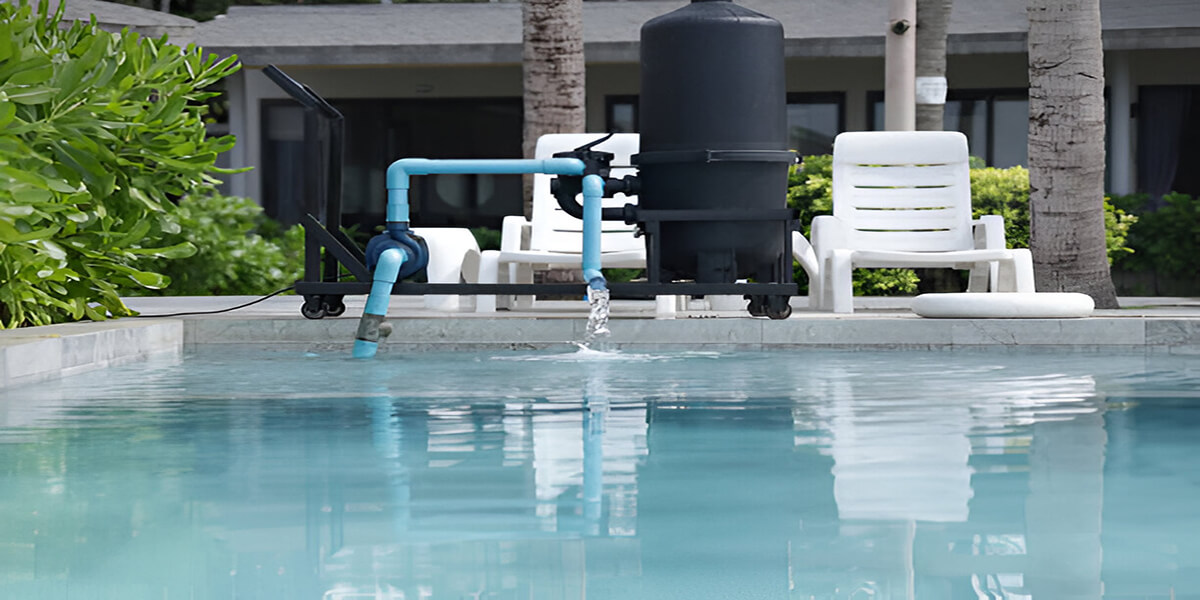
A clean and well-maintained swimming pool is not just about looks—it is essential for health, safety, and long-term performance. At HUNK WATER TECHNOLOGIES, we...