March 19, 2026

Clean and safe drinking water is a basic need, but unfortunately, water pollution is increasing day by day. In Pakistan, many areas have water...
By HUNK WATER TECHNOLOGIES
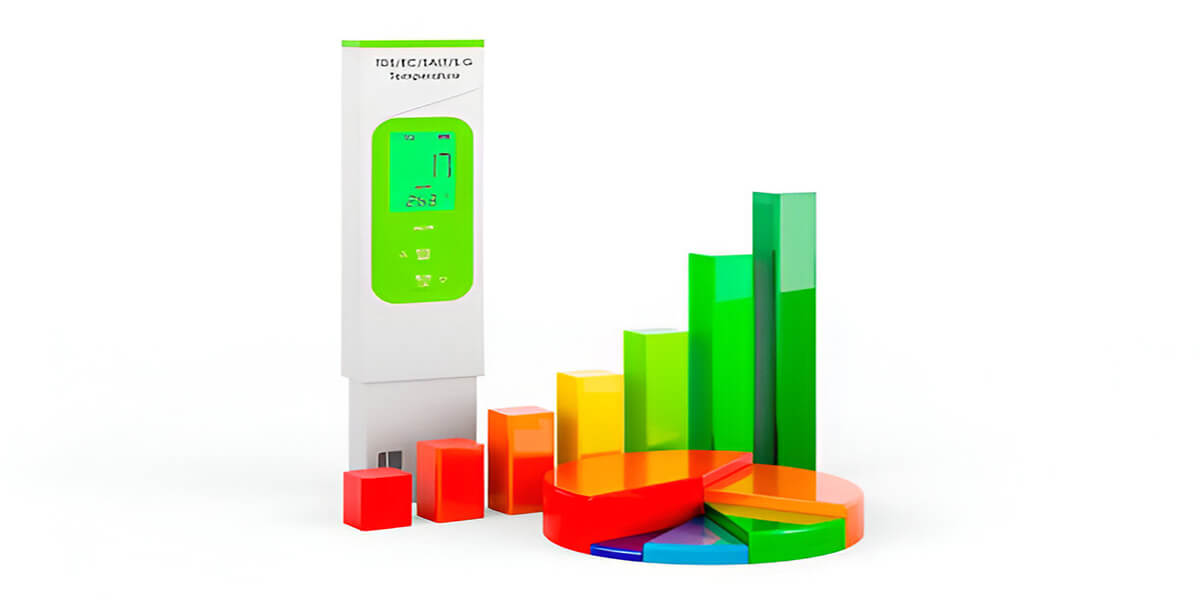
Monitoring water quality is essential in industrial, commercial, and laboratory applications. A Conductivity Meter is a crucial device that measures the electrical conductivity of water, helping determine its purity and suitability for various purposes. At HUNK WATER TECHNOLOGIES, we provide high-quality conductivity meters designed for accurate, reliable, and easy-to-read water analysis.
In this blog, we will explain what a conductivity meter is, how it works, its applications, and why it is important for your water treatment systems.
A Conductivity Meter is an electronic device used to measure the ability of water to conduct electricity. The electrical conductivity of water depends on the dissolved salts and minerals present.
By measuring conductivity, you can estimate water quality, detect contamination, and control water treatment processes.
The working principle of a conductivity meter is simple:
Regular measurement of conductivity helps maintain water purity for industrial, laboratory, and drinking purposes.
High conductivity readings indicate dissolved salts or impurities, helping prevent equipment damage or health hazards.
Used in RO, NF, and other water treatment plants to monitor system efficiency.
Modern meters are portable, digital, and provide fast, accurate readings.
Helps prevent water-related issues and reduces maintenance costs by detecting problems early.
HUNK WATER TECHNOLOGIES provides conductivity meters for:
Conductivity meters are essential wherever water quality needs to be monitored and controlled.
| Feature | Conductivity Meter | TDS Meter |
|---|---|---|
| Measures | Electrical conductivity | Total dissolved solids |
| Unit | µS/cm or mS/cm | ppm (parts per million) |
| Application | Monitor water purity | Estimate total salts in water |
| Accuracy | High | Medium (approximation) |
| Use in Water Treatment | RO/NF monitoring | Supplementary measurement |
At HUNK WATER TECHNOLOGIES, we provide:
Our meters help you maintain high water quality, protect your equipment, and ensure compliance with safety standards.
A Conductivity Meter is a vital tool for monitoring and maintaining water quality in industries, laboratories, and commercial systems. It measures the purity of water, detects contamination, and helps optimize water treatment processes.
HUNK WATER TECHNOLOGIES offers reliable, accurate, and easy-to-use conductivity meters, ensuring your water systems operate efficiently and safely.
Clean and safe drinking water is a basic need, but unfortunately, water pollution is increasing day by day. In Pakistan, many areas have water...
Blocked pipes are one of the most common problems in homes and businesses across Pakistan. If your water flow is slow or pipes are...
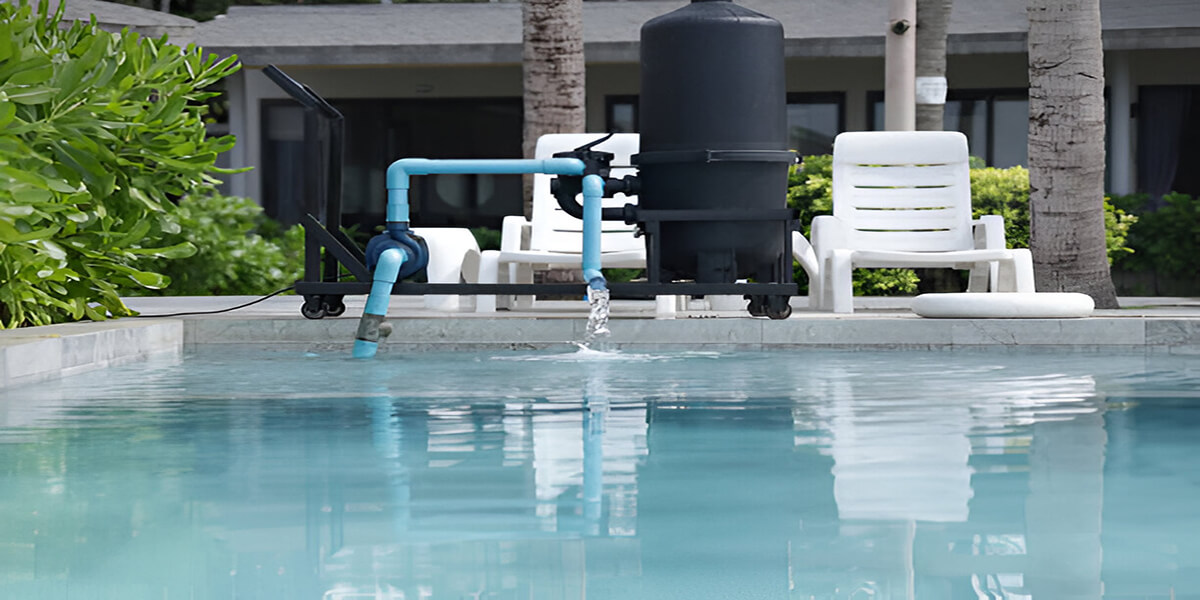
A clean and well-maintained swimming pool is not just about looks—it is essential for health, safety, and long-term performance. At HUNK WATER TECHNOLOGIES, we...