March 19, 2026

Clean and safe drinking water is a basic need, but unfortunately, water pollution is increasing day by day. In Pakistan, many areas have water...

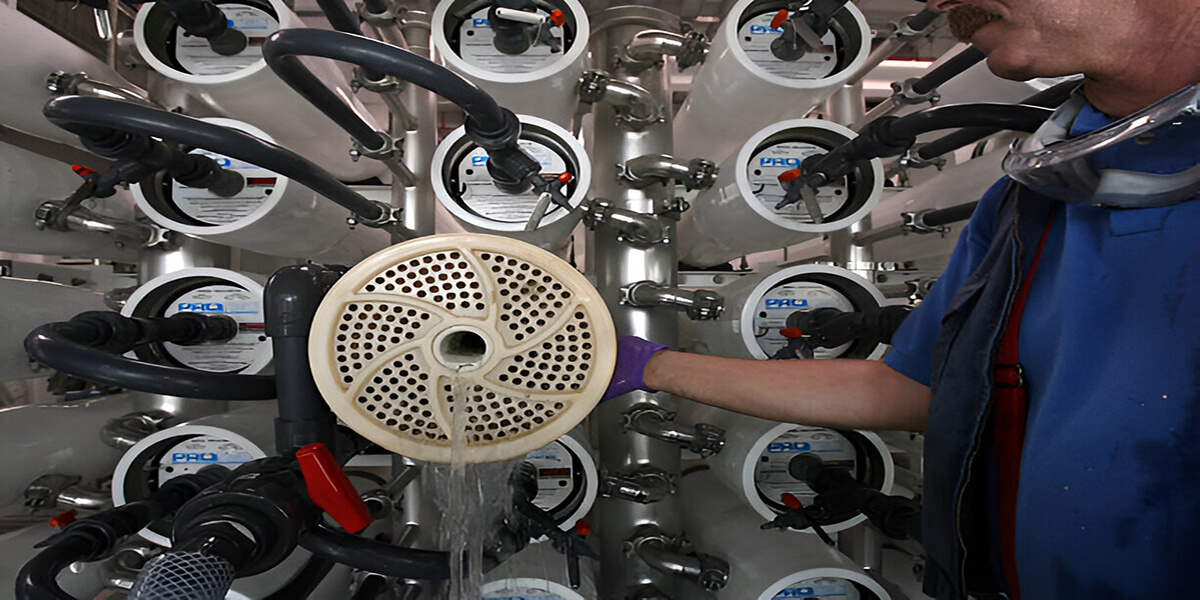
Clean and safe water production depends on the proper maintenance of your RO plant. One of the most important maintenance processes is Cleaning in Place (CIP). Without regular cleaning, the membranes inside the RO system can become clogged with salts, bacteria, and other impurities, which reduces efficiency and increases operating costs.
At HUNK Water Technologies, we provide professional RO plant installation, maintenance, and CIP services to ensure your system runs smoothly and produces high-quality water.
Cleaning in Place (CIP) is a process used to clean the RO membranes and internal pipelines of a Reverse Osmosis plant without dismantling the system.
In this process, special cleaning chemicals are circulated through the RO membranes using a CIP system, which removes deposits such as:
This process restores the performance of the RO membranes and improves water production.
Over time, impurities present in feed water start building up on the RO membrane surface. If this buildup is not removed, it can cause serious problems.
Benefits of regular CIP cleaning include:
CIP cleaning is recommended when the system shows certain warning signs:
Regular preventive cleaning is also recommended every 3 to 6 months, depending on the feed water quality.
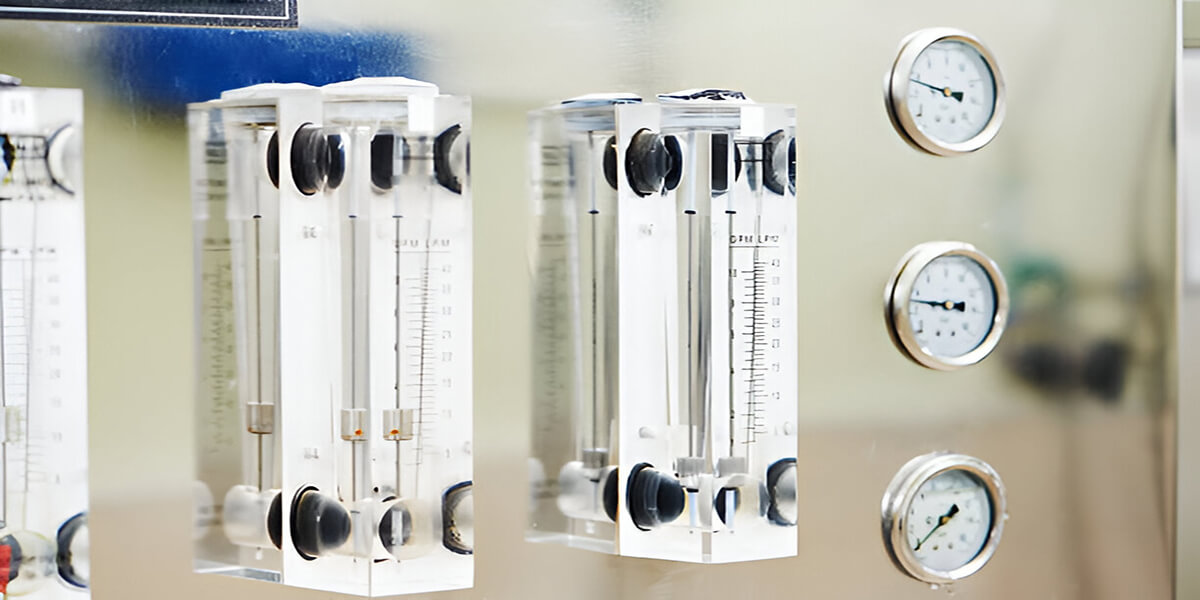
A typical RO CIP system includes the following parts:
These components work together to clean the RO membranes effectively.
Different types of fouling require different cleaning chemicals.
Common chemicals used in CIP include:
Proper chemical selection is important to avoid damage to RO membranes.
The Cleaning in Place process is performed in several steps:
After cleaning, the RO plant is restarted, and performance is checked.
Regular cleaning helps prevent many operational issues, such as:
By preventing these problems, CIP helps keep the RO plant running efficiently for a long time.
At HUNK Water Technologies, we specialize in RO plant installation, maintenance, membrane cleaning, and CIP system solutions across Pakistan.
Our services include:
Our goal is to ensure that your RO system produces pure, safe, and high-quality water while maintaining maximum efficiency.
Cleaning in Place (CIP) is a crucial maintenance process for any RO plant. Regular membrane cleaning improves system performance, maintains water quality, and extends the life of expensive RO membranes.
If you want your RO plant to operate efficiently and produce clean drinking water consistently, regular CIP maintenance is essential.
For professional RO plant services and CIP solutions, contact HUNK Water Technologies — your trusted partner in water treatment technology.
Clean and safe drinking water is a basic need, but unfortunately, water pollution is increasing day by day. In Pakistan, many areas have water...
Blocked pipes are one of the most common problems in homes and businesses across Pakistan. If your water flow is slow or pipes are...
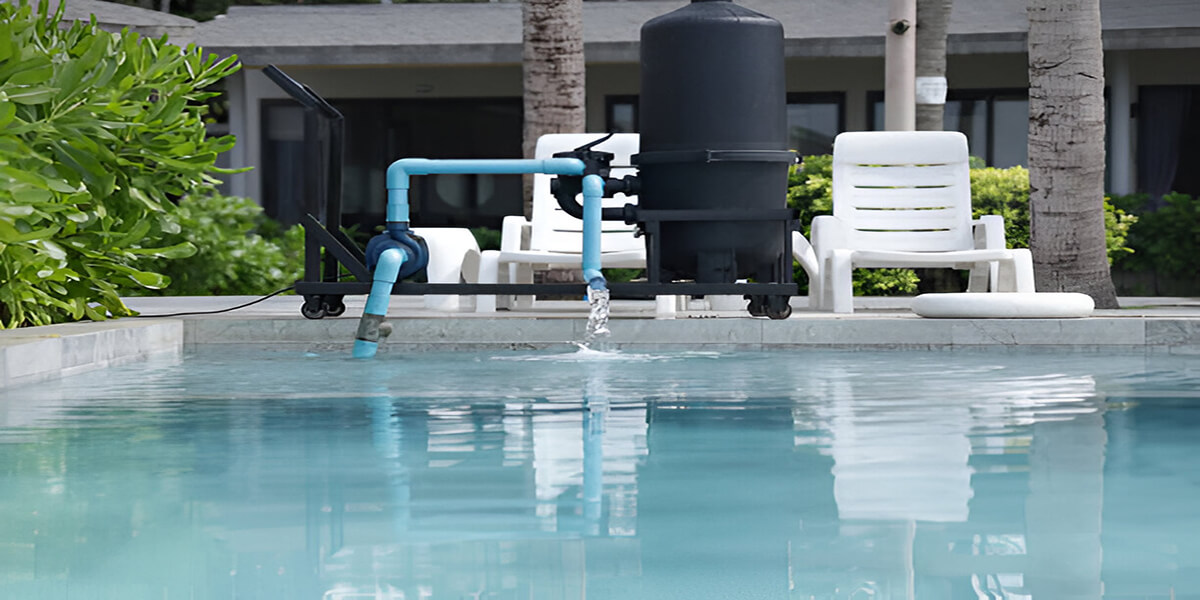
A clean and well-maintained swimming pool is not just about looks—it is essential for health, safety, and long-term performance. At HUNK WATER TECHNOLOGIES, we...