March 19, 2026

Clean and safe drinking water is a basic need, but unfortunately, water pollution is increasing day by day. In Pakistan, many areas have water...

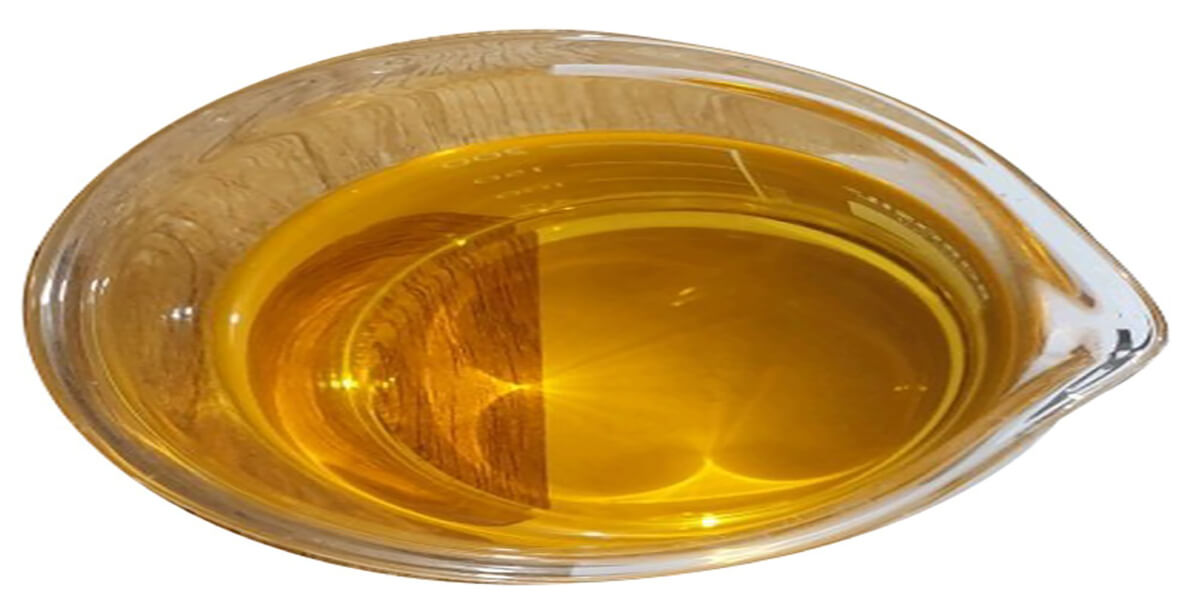
An antiscalant is a special chemical used in water treatment plants to prevent scale formation. Scale is caused by minerals like calcium, magnesium, iron, and silica that are naturally present in water. When these minerals settle and harden, they form a solid layer on membranes and pipelines.
Antiscalant works by stopping these minerals from sticking together, keeping them dissolved in water and allowing smooth system operation.
In systems like RO (Reverse Osmosis) plants, scale buildup can block membranes and reduce water flow. Antiscalant protects the system and ensures long-term efficiency.
Antiscalant changes the behavior of scale-forming minerals. Instead of forming hard deposits, the minerals remain suspended in water and are flushed out. This keeps membranes clean and improves overall system performance.
Antiscalants are designed to control different types of scale, including:
Antiscalant is widely used in:
Using the right antiscalant provides many advantages:
Correct dosage is very important. Too little antiscalant may not stop scale, while too much can affect water quality and system performance. Dosage depends on:
Professional water analysis is always recommended before selecting and dosing antiscalant.
Many people confuse antiscalants with water softeners. Both reduce scaling, but they work differently:
In RO plants, antiscalant is usually the preferred solution.
Antiscalant is a critical chemical in modern water treatment systems. It protects membranes, improves efficiency, and ensures smooth plant operation. Choosing the right antiscalant and proper dosing can significantly extend the life of your water treatment equipment and reduce overall costs.
If you want reliable performance from your RO or filtration plant, using a quality antiscalant is not an option—it’s a necessity.
Clean and safe drinking water is a basic need, but unfortunately, water pollution is increasing day by day. In Pakistan, many areas have water...
Blocked pipes are one of the most common problems in homes and businesses across Pakistan. If your water flow is slow or pipes are...
A clean and well-maintained swimming pool is not just about looks—it is essential for health, safety, and long-term performance. At HUNK WATER TECHNOLOGIES, we...