March 19, 2026

Clean and safe drinking water is a basic need, but unfortunately, water pollution is increasing day by day. In Pakistan, many areas have water...
Clean and safe drinking water is very important for a healthy life. In many homes and offices, people use water purification systems to remove harmful contaminants from water. Two of the most popular water purification technologies are Reverse Osmosis (RO) and UV water filters.
Many people often ask: Which one is better – RO or UV?
The answer depends on the quality of your water and the type of contaminants present in it.
In this article, we will explain the difference between RO and UV water filters in simple words so you can choose the right system for your needs.
Reverse Osmosis (RO) is an advanced water purification technology that removes dissolved salts, chemicals, and heavy metals from water.
In an RO system, water passes through a special membrane that blocks impurities while allowing only clean water molecules to pass through.
RO filtration can remove:
RO systems are very useful in areas where groundwater or bore water has high mineral content.
A UV (Ultraviolet) water filter uses ultraviolet light to kill harmful microorganisms present in water.
When water passes through the UV chamber, the ultraviolet rays destroy the DNA of bacteria and viruses, making them unable to reproduce or cause disease.
UV filtration mainly removes:
However, UV filters do not remove dissolved salts, heavy metals, or chemicals from water.
Here are the main differences between the two systems:
RO Systems remove:
UV Systems remove:
This means RO provides more complete purification.
RO is best for water that has:
UV is best for water that:
For example, water in cities like Lahore often contains high mineral levels in groundwater, which makes RO a better choice.
RO systems usually require:
UV systems require:
So UV systems may have slightly lower maintenance costs.
RO systems improve the taste of water by removing excess salts and chemicals.
UV systems do not change the taste because they only kill microorganisms.
RO systems produce some wastewater during filtration.
UV systems do not waste water during the purification process.
The answer depends on your water source.
Choose RO if:
Choose UV if:
In many cases, the best solution is a combined RO + UV system that removes both chemical and biological contaminants.
Before choosing any filtration system, it is always recommended to test your water quality. Water testing helps identify problems such as:
After testing, the right filtration system can be designed for your water source.
At HUNK Water Technologies, we provide complete water purification solutions for homes, businesses, and industries.
Our services include:
Our goal is to provide clean, healthy, and safe drinking water using the right technology for your water conditions.
Both RO and UV water filters are useful, but they serve different purposes.
If your water contains high TDS or chemical contaminants, RO is the better choice. If your water only has bacteria, UV may be enough.
For the best results, always test your water and choose the right purification system with expert guidance from HUNK Water Technologies.
Clean water means better health for you and your family.
Clean and safe drinking water is a basic need, but unfortunately, water pollution is increasing day by day. In Pakistan, many areas have water...
Blocked pipes are one of the most common problems in homes and businesses across Pakistan. If your water flow is slow or pipes are...
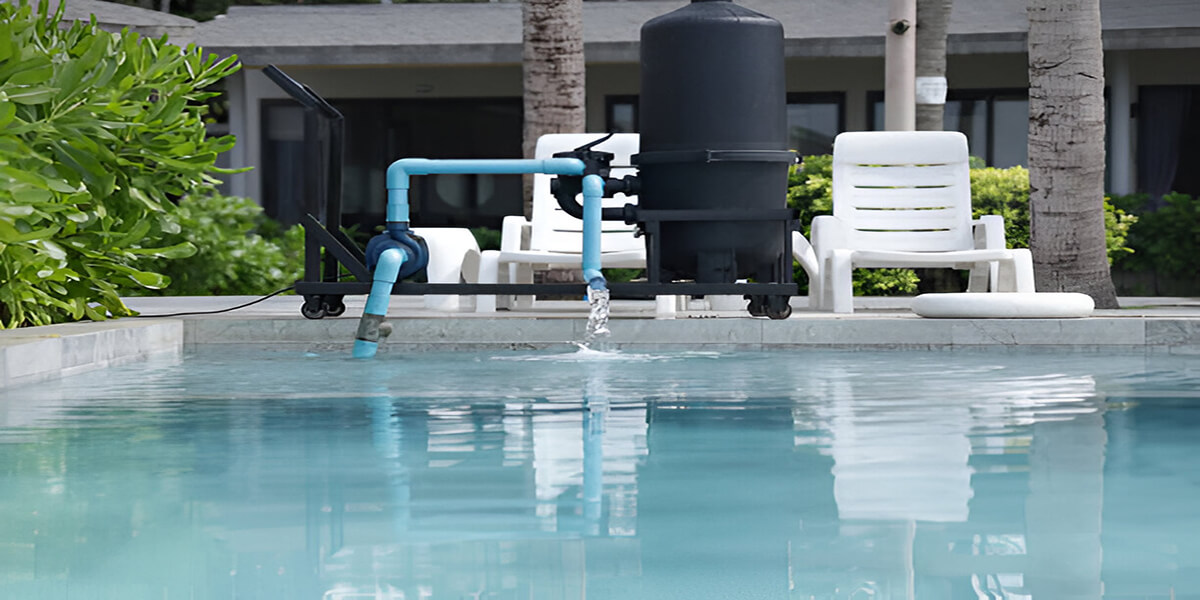
A clean and well-maintained swimming pool is not just about looks—it is essential for health, safety, and long-term performance. At HUNK WATER TECHNOLOGIES, we...