March 19, 2026

Clean and safe drinking water is a basic need, but unfortunately, water pollution is increasing day by day. In Pakistan, many areas have water...

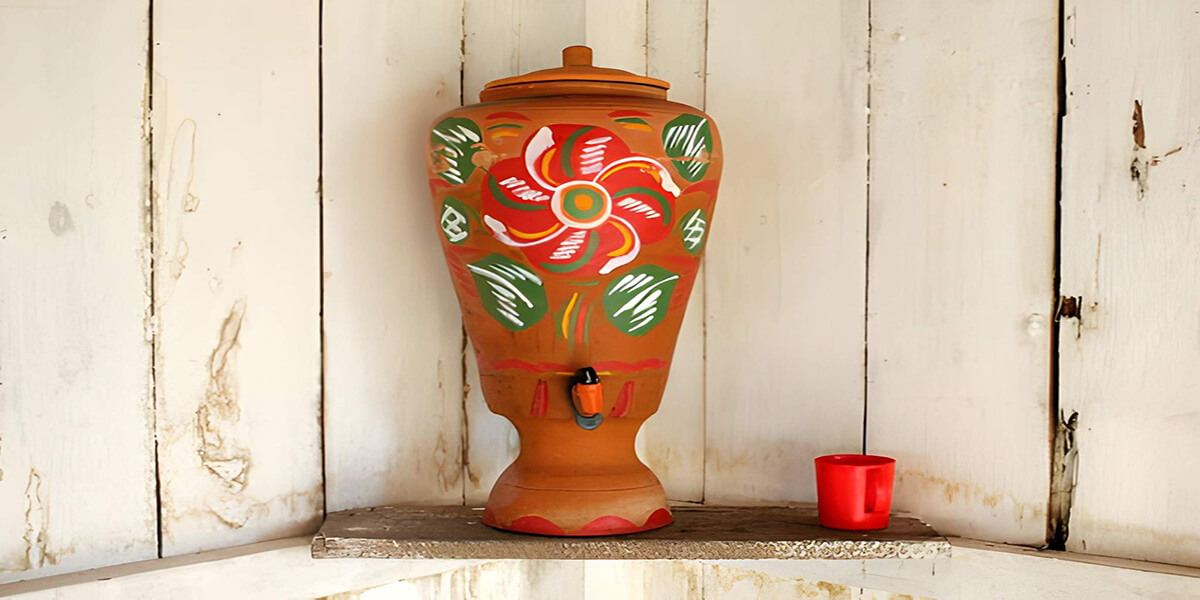
In many homes, people still use a clay water pot (mitti ka gharha or matka) to store drinking water. It is a traditional method that keeps water naturally cool and refreshing. However, many people often ask an important question: Do you still need a water filter if you are using a clay water pot?
In this blog, we will explain in simple words whether a filter is needed after using a clay water pot and why water filtration is important for safe drinking water.
A clay water pot is mainly used to store and cool water naturally. It works because the clay material has tiny pores that allow a small amount of water to evaporate. This process helps reduce the water temperature and makes it pleasantly cool.
Clay water pots have been used for centuries because they:
However, it is important to understand that a clay pot does not purify water.
No, a clay water pot does not work as a water filter.
It only stores and cools the water. It cannot remove harmful substances such as:
If the water source is already contaminated, storing it in a clay pot will not make it safe for drinking.
In many areas, especially where bore water or untreated water is used, the water may contain harmful contaminants. A water filtration system is necessary to remove these impurities.
A proper water filter can help:
Advanced filtration systems, such as UV and RO filters, can eliminate harmful microorganisms from water.
RO filtration systems can remove excess salts and minerals that affect water quality.
Modern filtration systems can remove harmful chemicals, pesticides, and metals from water.
Filtered water becomes safer, cleaner, and healthier for drinking and cooking.
The best and safest method is to use filtered water, then store it in a clay pot.
This method provides two important benefits:
Many households use this simple method to enjoy safe, naturally cool drinking water.
You should consider installing a water filter if you notice:
These signs indicate that the water may contain impurities and needs proper filtration.
HUNK WATER TECHNOLOGIES provides advanced and reliable water filtration solutions for homes, businesses, and industries. Our goal is to help people get clean and safe drinking water using modern water treatment systems.
Our services include:
We design water filtration systems according to the specific water quality and customer needs.
A clay water pot is an excellent traditional method for storing and cooling drinking water. It provides natural cooling and improves the taste of water. However, it does not remove harmful contaminants from water.
For safe and healthy drinking water, it is always recommended to use a proper water filtration system before storing water in a clay pot. This combination ensures both clean and naturally cool water for daily use.
If you are looking for reliable water filtration solutions, HUNK WATER TECHNOLOGIES offers professional water treatment systems to ensure safe and high-quality drinking water.
Clean and safe drinking water is a basic need, but unfortunately, water pollution is increasing day by day. In Pakistan, many areas have water...
Blocked pipes are one of the most common problems in homes and businesses across Pakistan. If your water flow is slow or pipes are...
A clean and well-maintained swimming pool is not just about looks—it is essential for health, safety, and long-term performance. At HUNK WATER TECHNOLOGIES, we...