March 19, 2026

Clean and safe drinking water is a basic need, but unfortunately, water pollution is increasing day by day. In Pakistan, many areas have water...
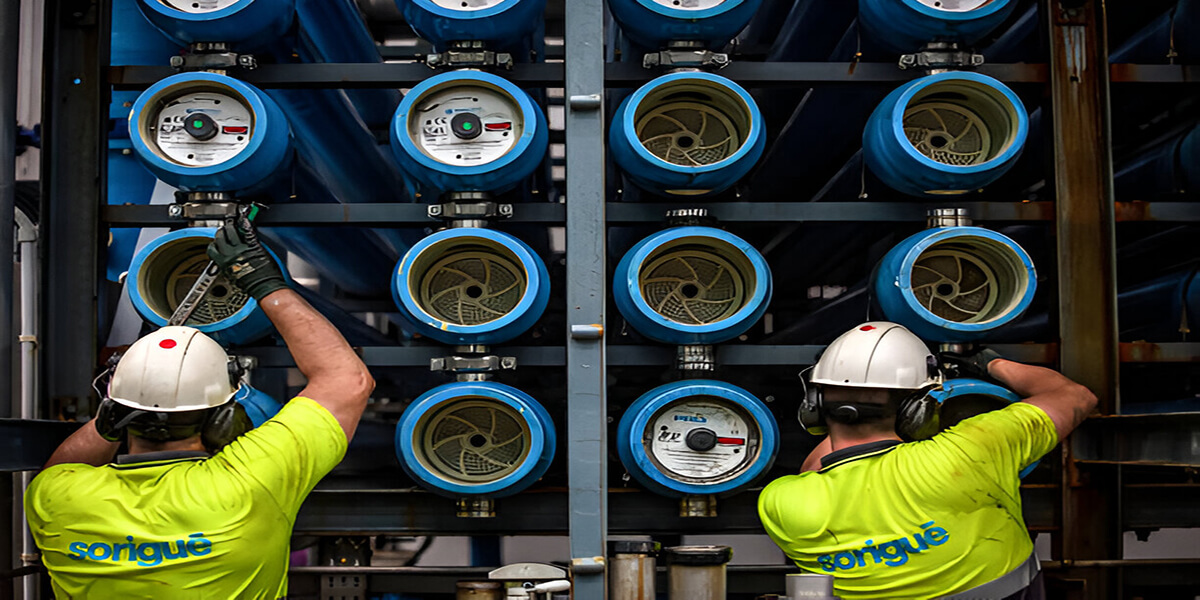
Clean water production depends heavily on the proper maintenance of Reverse Osmosis (RO) plants. One of the most important maintenance processes used in RO systems is the CIP (Clean in Place) system. Without proper cleaning, RO membranes can become dirty, clogged, and less efficient. This can reduce water quality and increase operating costs.
In this guide, we will explain what a CIP system is, why it is important, how it works, and when it should be used in an RO plant.
A CIP (Clean in Place) system is a cleaning process used to remove dirt, scale, bacteria, and chemical deposits from the membranes of an RO plant without removing the membranes from the system.
In simple words, a CIP system cleans the RO membranes internally by circulating special cleaning chemicals through the system.
This process helps restore the performance of the RO plant and increases the life of the membranes.
Over time, RO membranes collect different types of impurities such as:
These deposits block the membrane pores and reduce the efficiency of the RO plant. A CIP cleaning process removes these impurities and helps the plant work properly again.
Regular CIP cleaning is essential for keeping an RO plant running efficiently.
When Does an RO Plant Need CIP Cleaning?
A CIP cleaning is usually required when the performance of the RO system starts to decline.
Common signs include:
Experts usually recommend performing CIP cleaning when RO plant performance drops by 10–15%.
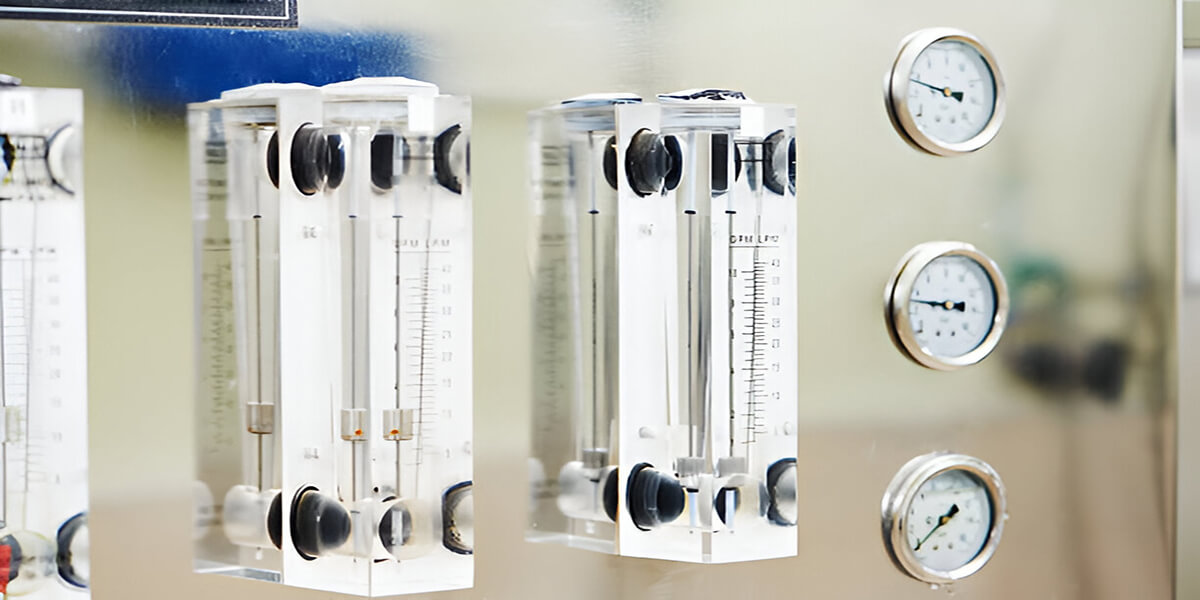
A typical CIP system used in RO plants includes the following parts:
A tank used to prepare and store the cleaning solution.
A pump that circulates the cleaning chemicals through the membranes.
This filter removes particles during the cleaning process.
Some CIP systems include a heater to improve chemical cleaning efficiency.
These help control the flow of cleaning chemicals through the RO membranes.
Different types of fouling require different cleaning chemicals.
Scaling happens when minerals like calcium or magnesium form deposits on the membrane surface.
Organic materials such as oils and natural organic matter stick to the membrane surface.
Bacteria and microorganisms grow on membranes and form biofilms.
Fine suspended particles block membrane pores.
Each type of fouling requires a specific chemical cleaning process.
Different chemicals are used depending on the type of contamination.
Common CIP chemicals include:
Using the correct chemical is important to avoid membrane damage.
The CIP process in RO plants usually follows these steps:
The cleaning solution is prepared in the CIP tank according to the type of fouling.
The CIP pump circulates the cleaning solution through the RO membranes.
The membranes are soaked in the cleaning solution to dissolve deposits.
The system is flushed with clean water to remove chemicals.
After cleaning, the RO plant is restarted and normal operation resumes.
The frequency of CIP cleaning depends on several factors such as:
In most cases, RO plants require CIP cleaning every 3 to 6 months. However, systems with poor feed water quality may require more frequent cleaning.
Proper pretreatment can reduce membrane fouling and minimize the need for CIP cleaning.
Important preventive steps include:
These steps help maintain the efficiency of the RO plant.
A CIP (Clean in Place) system is an essential part of RO plant maintenance. It helps remove scaling, fouling, and biological contamination from RO membranes without dismantling the system.
Regular CIP cleaning improves system performance, ensures high-quality water production, and extends the lifespan of expensive RO membranes.
For industries, commercial facilities, and water filtration plants, proper CIP maintenance is necessary to keep the RO plant running smoothly and efficiently.
HUNK WATER TECHNOLOGIES is a leading water treatment company providing advanced water filtration solutions in Pakistan. We specialize in:
Our team provides reliable and efficient water treatment solutions to ensure safe and high-quality water for industries, businesses, and communities.
Clean and safe drinking water is a basic need, but unfortunately, water pollution is increasing day by day. In Pakistan, many areas have water...
Blocked pipes are one of the most common problems in homes and businesses across Pakistan. If your water flow is slow or pipes are...
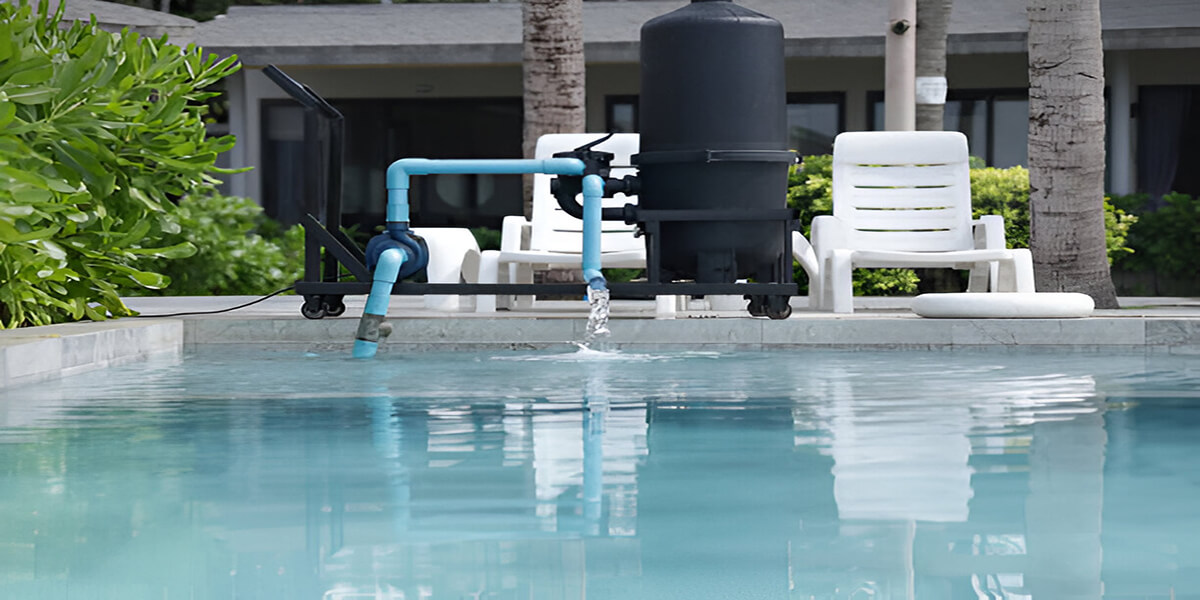
A clean and well-maintained swimming pool is not just about looks—it is essential for health, safety, and long-term performance. At HUNK WATER TECHNOLOGIES, we...