
March 19, 2026

Clean and safe drinking water is a basic need, but unfortunately, water pollution is increasing day by day. In Pakistan, many areas have water...

Potassium is an essential mineral and chemical element that plays an important role in many natural and industrial processes. It is widely used in agriculture, water treatment, food production, and chemical industries. Potassium is also very important for human health and plant growth.
At HUNK Water Technologies, understanding important minerals like potassium helps in improving water treatment processes and maintaining balanced water quality. In this article, we will explain potassium in simple and easy words so everyone can understand its importance and uses.
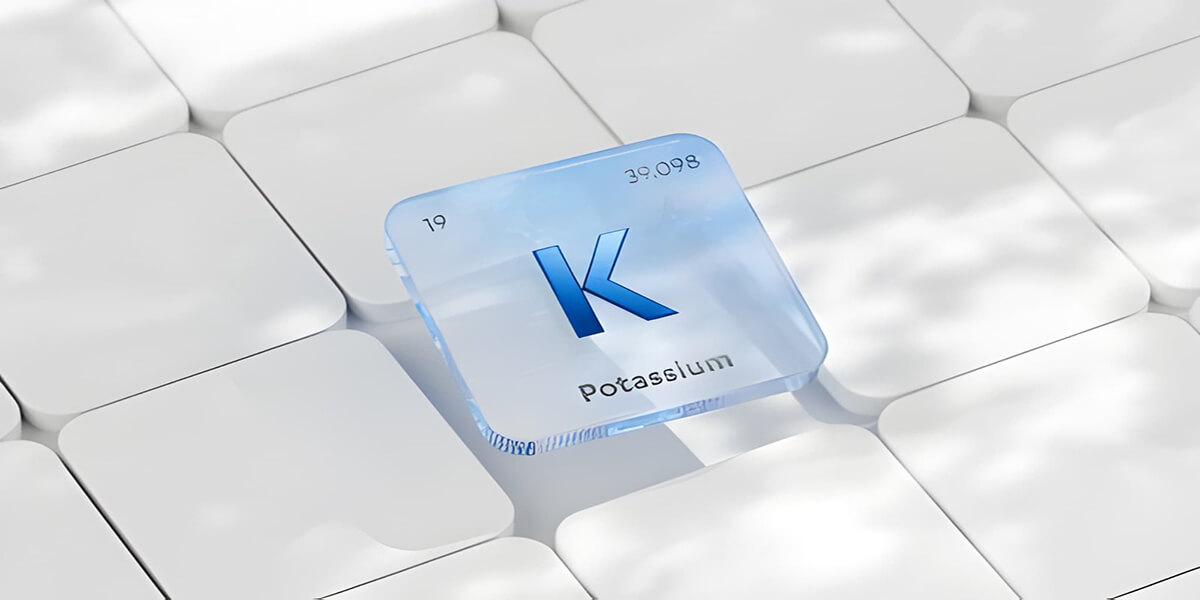
Potassium is a chemical element with the symbol K and atomic number 19. It is a soft, silvery-white metal that belongs to the group of alkali metals in the periodic table.
In nature, potassium is not usually found in its pure metal form because it reacts quickly with water and air. Instead, it is commonly found in compounds such as:
These compounds are widely used in agriculture, water treatment, and other industries.
Potassium has several important chemical properties that make it useful in many applications.
Some key properties include:
Because of its high reactivity, potassium is usually used in the form of salts or compounds rather than pure metal.
Potassium is an essential mineral for the human body. It helps maintain proper body functions and supports overall health.
Some important health benefits of potassium include:
Potassium helps regulate heartbeat and supports healthy blood pressure levels.
It helps balance fluids inside the body’s cells.
Potassium is necessary for proper muscle movement and nerve signals.
Low potassium levels in the body can cause weakness, muscle cramps, and tiredness.
Many foods naturally contain potassium, including bananas, oranges, potatoes, and spinach.
One of the most important uses of potassium is in fertilizers. Plants need potassium for healthy growth and development.
Potassium helps plants by:
Farmers often use fertilizers containing potassium to increase agricultural production.
Potassium compounds are also used in water treatment systems. Certain potassium-based chemicals help improve water quality and support filtration processes.
In water treatment, potassium compounds may help with:
Companies like HUNK Water Technologies provide advanced water treatment solutions that help maintain safe and balanced water for industrial and commercial use.
Potassium is commonly used in different compound forms. Some widely used potassium compounds include:
This compound is commonly used as a fertilizer and sometimes in water treatment processes.
Used mainly in agriculture to provide potassium and sulfur nutrients to plants.
This powerful chemical is used in water treatment plants to remove iron, manganese, and bacteria from water.
Used in food processing, agriculture, and fire extinguishers.
Modern water filtration systems focus on maintaining the correct balance of minerals in water. Sometimes potassium-based compounds are used to support filtration processes.
For example, potassium permanganate is widely used in filtration systems to remove contaminants from groundwater.
At HUNK Water Technologies, we design and install advanced systems such as:
These systems ensure that water is clean, safe, and suitable for different applications.
Potassium compounds provide several advantages in water treatment.
Certain potassium chemicals help remove iron, manganese, and organic impurities.
They support better filtration and purification processes.
Potassium compounds can assist oxidation and disinfection reactions in water treatment plants.
Potassium compounds should always be handled carefully, especially in industrial environments.
Basic safety guidelines include:
Proper handling ensures safety and maintains chemical effectiveness.
Potassium is an essential element that plays a major role in agriculture, health, and industrial processes. Potassium compounds are also important in water treatment systems because they help improve water quality and remove impurities.
At HUNK Water Technologies, we specialize in providing advanced water treatment plants, RO systems, and filtration solutions to ensure clean and safe water for homes, industries, and businesses.
Understanding important elements like potassium helps improve water purification systems and supports efficient water management.
If you are looking for reliable water treatment solutions, filtration systems, or RO plants, HUNK Water Technologies is ready to provide professional and effective services.
Clean and safe drinking water is a basic need, but unfortunately, water pollution is increasing day by day. In Pakistan, many areas have water...

Blocked pipes are one of the most common problems in homes and businesses across Pakistan. If your water flow is slow or pipes are...

A clean and well-maintained swimming pool is not just about looks—it is essential for health, safety, and long-term performance. At HUNK WATER TECHNOLOGIES, we...