
March 19, 2026

Clean and safe drinking water is a basic need, but unfortunately, water pollution is increasing day by day. In Pakistan, many areas have water...

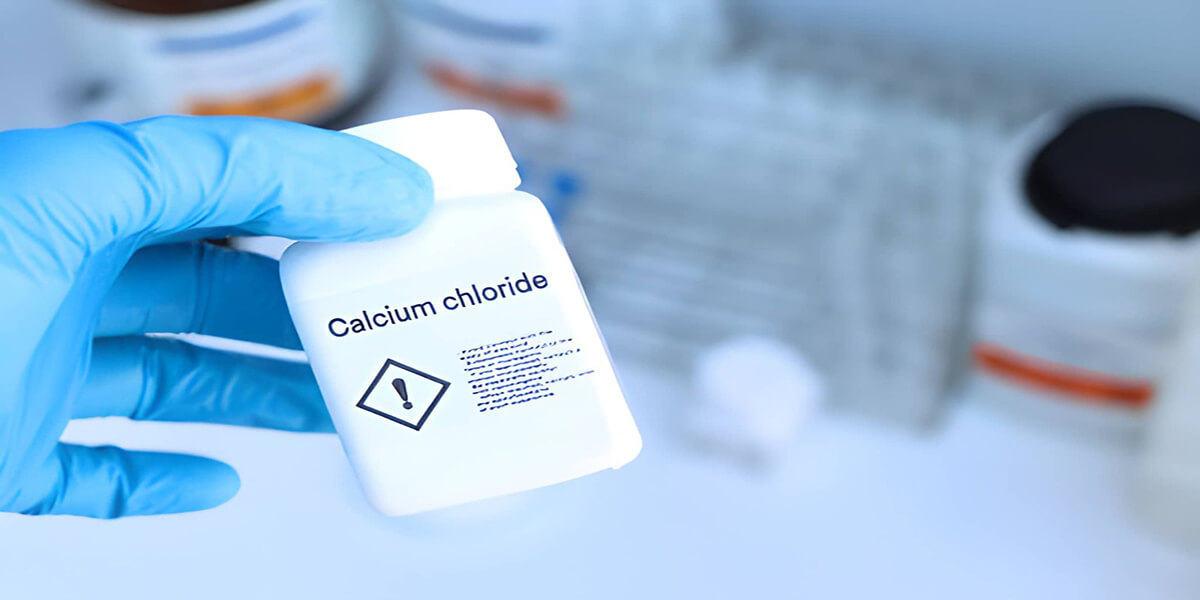
Water contains many natural minerals and chemicals that affect its quality. One of the commonly found compounds in water is Calcium Chloride. It is widely used in different industries and can also be present in groundwater. While calcium chloride has many useful applications, high levels in water can create problems for drinking, industrial processes, and water systems.
In this article, HUNK Water Technologies explains what calcium chloride is, where it comes from, its effects on water quality, and how water filtration systems can help control it.
Calcium chloride is a chemical compound made of calcium and chlorine. It is a white salt-like substance that easily dissolves in water. Because of its special chemical properties, calcium chloride is used in many industrial and commercial applications.
It is commonly used for:
Although it is useful in many fields, high levels of calcium chloride in water can increase water hardness and affect water taste.
Calcium chloride can enter water from natural and human-made sources. In some areas, underground rocks contain calcium minerals that dissolve into groundwater.
Common sources include:
In certain areas of Pakistan, bore water and groundwater may contain higher mineral content, including calcium compounds.
Calcium chloride mainly contributes to water hardness. Hard water can create several problems for households and industries.
Some common effects include:
High calcium levels increase water hardness, which can affect washing, cleaning, and industrial processes.
Calcium compounds can form scale deposits inside pipes, boilers, and water heaters. This reduces efficiency and may damage equipment over time.
Excess minerals may change the taste of drinking water and make it slightly salty or bitter.
Industries that rely on clean water may face problems such as scaling, corrosion, and reduced machine performance.
In small amounts, calcium chloride is generally not harmful, and calcium is an essential mineral for the human body. However, very high mineral content in water may cause:
This is why water quality testing and proper filtration are recommended.
Modern water treatment technologies can effectively reduce excess minerals from water. Several filtration methods are commonly used to treat hard water.
RO systems use advanced membrane technology based on Reverse Osmosis to remove dissolved salts and minerals, including calcium compounds.
Water softeners replace calcium and magnesium ions with sodium ions, reducing water hardness.
Large filtration plants use sand filters, carbon filters, and RO systems to produce high-quality drinking water.
These systems are widely used in residential, commercial, and industrial water treatment plants.
HUNK Water Technologies provides reliable and advanced water treatment solutions for homes, industries, and communities. Our systems are designed to remove excess minerals and improve water quality.
Our services include:
We provide professional water treatment services in Lahore and other regions of Pakistan.
Calcium chloride is a common chemical compound that can naturally exist in groundwater. While it has many useful applications, high levels in water can cause hardness, scaling, and taste problems. Proper water treatment systems are important to control mineral levels and maintain safe drinking water.
Advanced filtration technologies such as RO systems and water softeners help remove excess calcium compounds and improve overall water quality. With the right water treatment solution, homes and industries can enjoy clean, safe, and reliable water.
For expert guidance and high-quality water filtration systems, HUNK Water Technologies offers professional solutions to ensure safe and purified water for every need.
Clean and safe drinking water is a basic need, but unfortunately, water pollution is increasing day by day. In Pakistan, many areas have water...
Blocked pipes are one of the most common problems in homes and businesses across Pakistan. If your water flow is slow or pipes are...
A clean and well-maintained swimming pool is not just about looks—it is essential for health, safety, and long-term performance. At HUNK WATER TECHNOLOGIES, we...