March 19, 2026

Clean and safe drinking water is a basic need, but unfortunately, water pollution is increasing day by day. In Pakistan, many areas have water...

By HUNK WATER TECHNOLOGIES
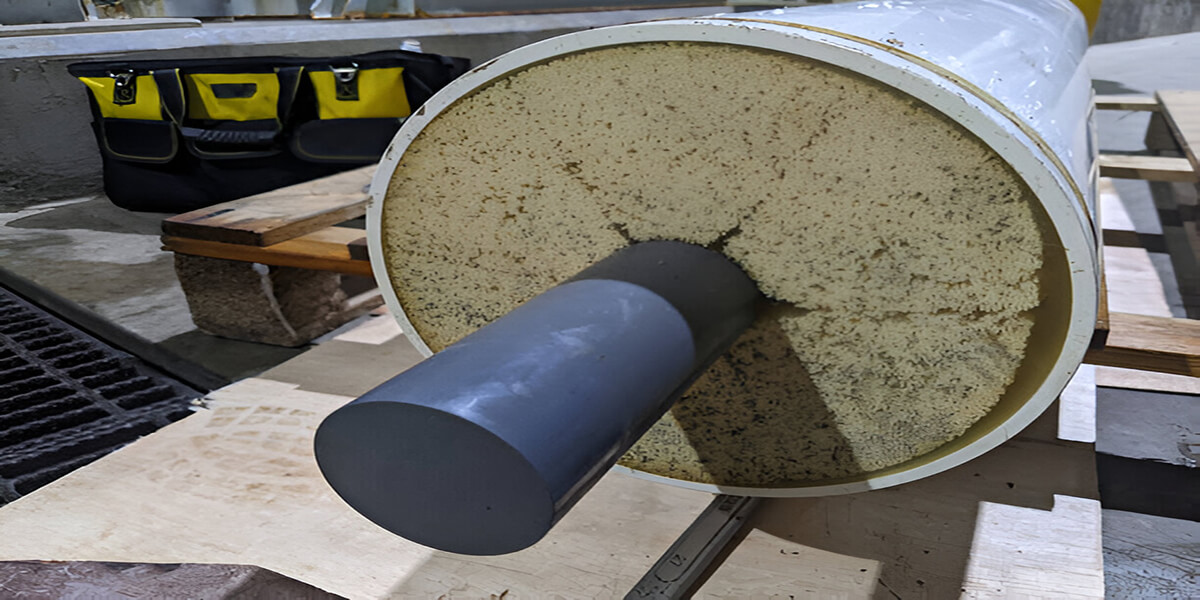
Water treatment is essential for homes, industries, and commercial businesses. Two popular technologies used in water purification are Nano-Filtration (NF) and Reverse Osmosis (RO). While both remove impurities from water, there are many misconceptions about how they work and which one is better. At HUNK WATER TECHNOLOGIES, we aim to clarify the myths and present the facts so you can make the right choice for your water treatment needs.
Nano-Filtration (NF) is a membrane filtration process that removes:
NF is especially useful when you want soft water but still want to retain beneficial minerals. It works at a lower pressure than RO and produces less wastewater, making it energy-efficient.
Reverse Osmosis (RO) is a filtration process that removes almost all dissolved salts, impurities, and contaminants from water. RO water is nearly pure, which is ideal for industries, labs, and commercial drinking water systems.
RO can remove:
However, RO water may lack some beneficial minerals and typically requires post-treatment or remineralization for taste and health.
Fact: RO removes almost everything, including useful minerals, which may not be necessary for all applications. NF is more suitable when partial softening and mineral retention are needed.
Fact: NF removes bacteria, viruses, and harmful chemicals while keeping beneficial minerals, making it safe for drinking.
Fact: While traditional RO systems produce some wastewater, modern systems are energy-efficient and designed to minimize water wastage. NF systems produce even less wastewater.
Fact: NF is specifically designed to reduce hardness by removing calcium and magnesium without completely removing TDS.
Fact: Both use membranes, but RO removes almost all dissolved salts, while NF removes specific impurities and keeps some minerals in water.
| Feature | Nano-Filtration (NF) | Reverse Osmosis (RO) |
|---|---|---|
| Removes Hardness | Yes | Yes |
| Removes Total Dissolved Solids | Partial | Almost all |
| Energy Requirement | Lower | Higher |
| Wastewater | Less | More |
| Mineral Retention | Yes | No |
| Ideal For | Softening, drinking water with minerals | Drinking water, industrial applications, labs |
At HUNK WATER TECHNOLOGIES, we provide:
We analyze your water source and usage to recommend the most cost-effective and efficient solution.
Both Nano-Filtration and Reverse Osmosis have unique advantages. Understanding the myths and facts will help you choose the best system for your needs. NF is ideal for softening water while keeping minerals, and RO is perfect for high-purity applications.
HUNK WATER TECHNOLOGIES ensures you get the right water treatment system with expert advice, installation, and ongoing support.
Clean and safe drinking water is a basic need, but unfortunately, water pollution is increasing day by day. In Pakistan, many areas have water...

Blocked pipes are one of the most common problems in homes and businesses across Pakistan. If your water flow is slow or pipes are...

A clean and well-maintained swimming pool is not just about looks—it is essential for health, safety, and long-term performance. At HUNK WATER TECHNOLOGIES, we...