March 19, 2026

Clean and safe drinking water is a basic need, but unfortunately, water pollution is increasing day by day. In Pakistan, many areas have water...
By HUNK WATER TECHNOLOGIES
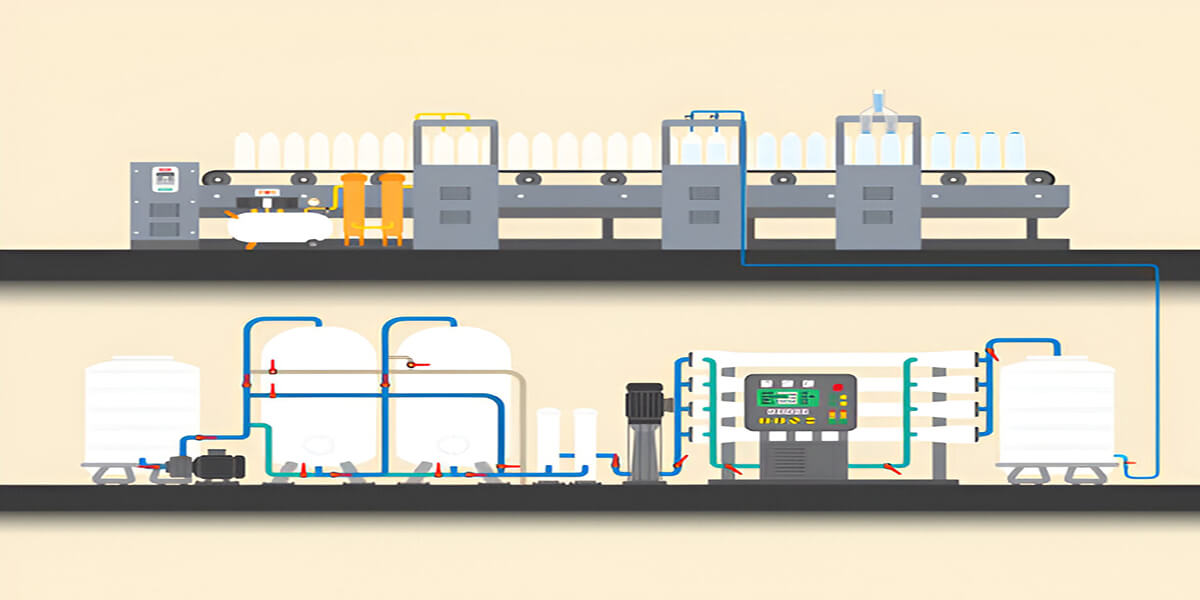
Commercial Reverse Osmosis (RO) plants are widely used in industries, water shops, hospitals, schools, and housing societies across Pakistan. These systems provide safe and purified water by removing dissolved salts, heavy metals, bacteria, and harmful chemicals.
However, to keep a commercial RO plant running efficiently, regular maintenance is essential. Without proper care, performance decreases, water quality drops, and costly repairs may be required.
In this guide, HUNK WATER TECHNOLOGIES explains commercial RO plant maintenance in simple and easy words.
Regular maintenance helps to:
In cities like Lahore, where water often contains high TDS and hardness, proper maintenance becomes even more important.
Daily checks are simple but very important.
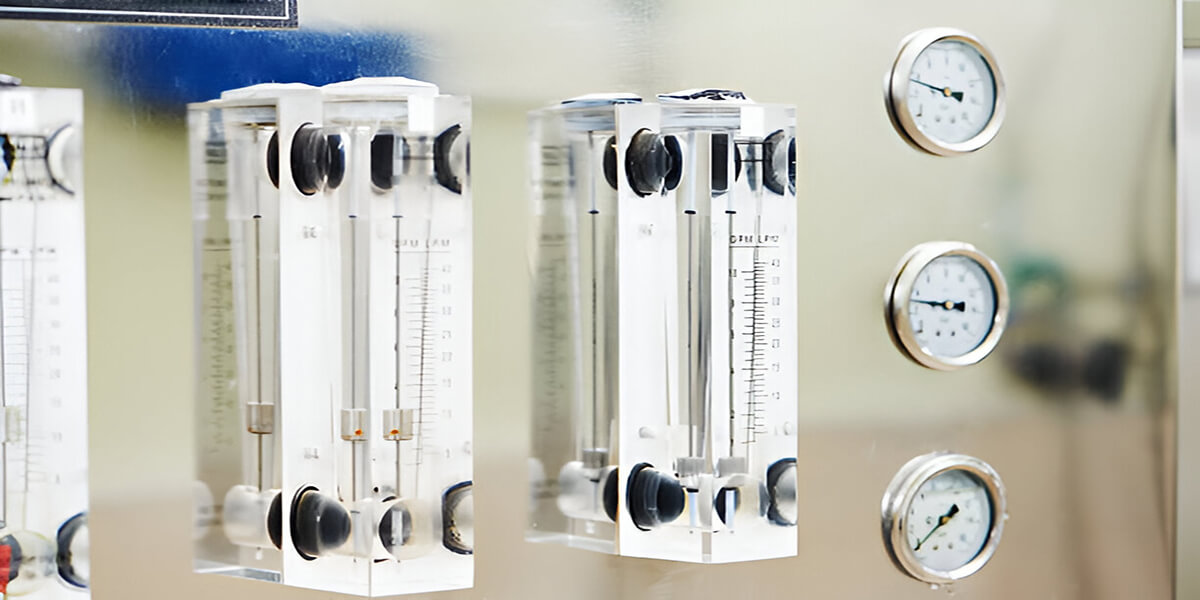
Monitor inlet and outlet pressure. Sudden pressure changes may indicate membrane blockage or filter clogging.
Use a TDS meter to check feed water and product water quality. If TDS increases in purified water, the membrane may need cleaning or replacement.
Check pipes, valves, and fittings for any leakage.
Unusual sounds from pumps may indicate mechanical issues.
Sand filters and carbon filters should be backwashed regularly to remove dirt and sediments.
Ensure wires and control panels are secure and functioning properly.
Sediment and carbon cartridges should be inspected and replaced if dirty.
Ensure antiscalant and other chemicals are properly dosed to prevent membrane scaling.
Check for scaling, fouling, or reduced output.
The membrane is the heart of the RO plant.
Chemical cleaning (CIP – Cleaning in Place) should be done when performance drops. Proper cleaning extends membrane life.
Typically, commercial RO membranes last 2–3 years, depending on water quality and maintenance.
Professional servicing can prevent these issues.
A good pre-treatment system includes:
Proper pre-treatment reduces stress on the RO membrane and increases plant life.
Annual servicing ensures long-term efficiency.
HUNK WATER TECHNOLOGIES provides:
We design maintenance plans according to your water quality and plant capacity.
A commercial RO plant is a valuable investment. Without regular maintenance, performance decreases, and operational costs increase.
Following a proper maintenance schedule ensures:
If you need professional maintenance services for your commercial RO plant, contact HUNK WATER TECHNOLOGIES today.
Clean water depends not only on technology, but also on proper care.
Clean and safe drinking water is a basic need, but unfortunately, water pollution is increasing day by day. In Pakistan, many areas have water...
Blocked pipes are one of the most common problems in homes and businesses across Pakistan. If your water flow is slow or pipes are...
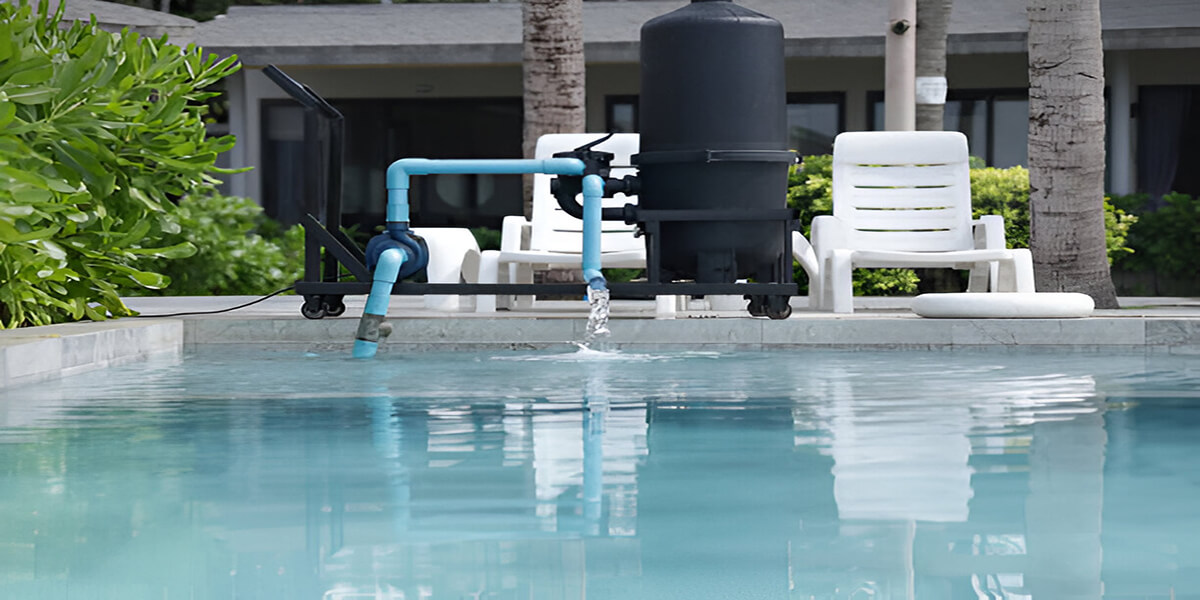
A clean and well-maintained swimming pool is not just about looks—it is essential for health, safety, and long-term performance. At HUNK WATER TECHNOLOGIES, we...