March 25, 2026

Clean and safe drinking water is not a luxury—it’s a necessity. In many areas of Pakistan, especially in cities like Lahore, water quality is...

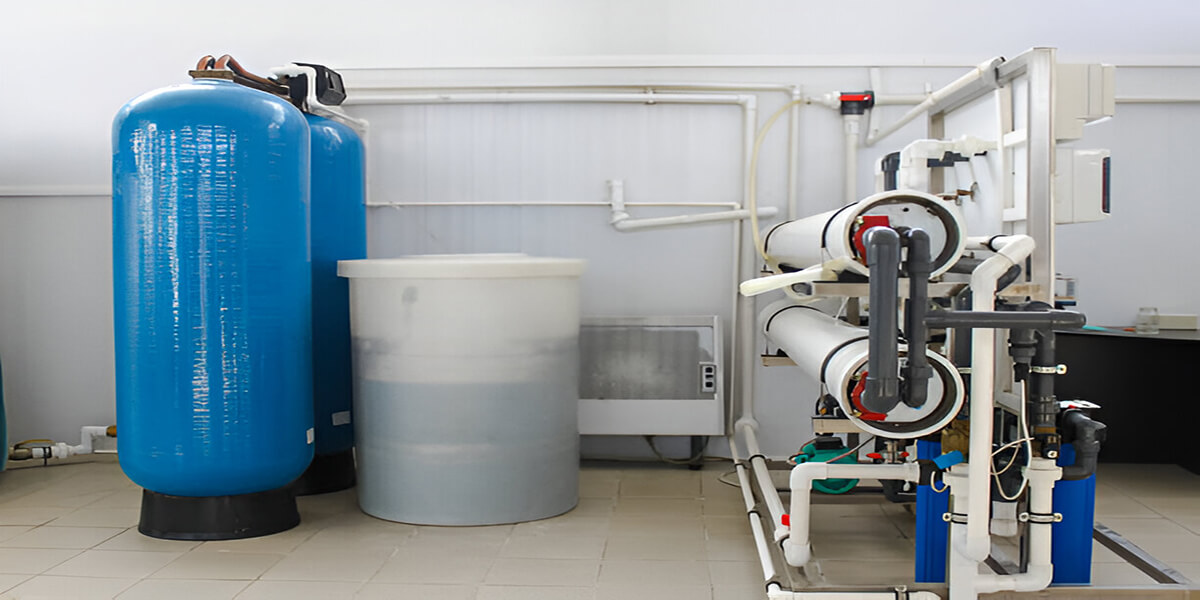
When people discuss clean drinking water, terms such as filtration, purification, and disinfection are often used interchangeably. Although they are related, they do not mean the same thing. Understanding the difference is important when choosing the right water treatment system for your home, office, or industry.
At HUNK WATER TECHNOLOGIES, we help customers select solutions based on their actual water quality and needs. This article explains these three processes simply and clearly.
Filtration is the process of removing physical particles from water.
This typically includes:
Filtration works by passing water through a filter medium such as:
✔ Improves clarity
✔ Removes visible impurities
✔ Protects downstream equipment
Filtration alone does not guarantee removal of bacteria, viruses, or dissolved chemicals.
Purification is a broader process that removes both physical and dissolved contaminants.
It targets:
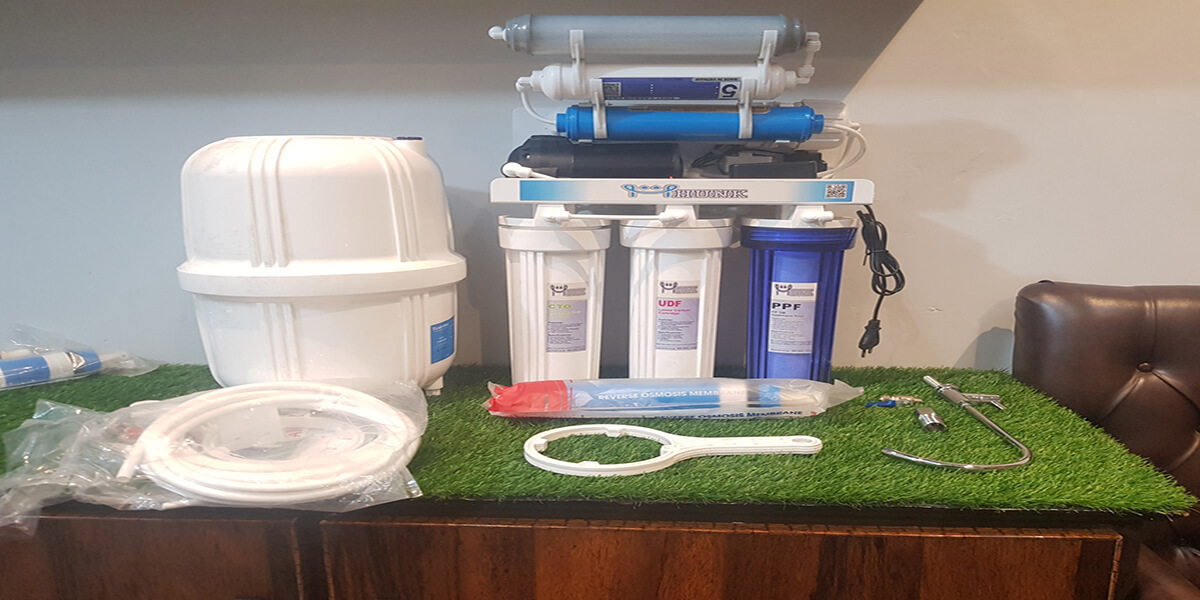
Common purification technologies include:
✔ Reduces TDS
✔ Improves taste
✔ Removes harmful dissolved substances
Purification systems often include filtration stages as part of the process.
Disinfection focuses on eliminating microorganisms.
It is designed to control:
Typical disinfection methods:
✔ Kills germs
✔ Prevents waterborne diseases
✔ Ensures microbiological safety
Disinfection does not remove sediments or dissolved solids.
| Process | Main Function | Removes |
|---|---|---|
| Filtration | Physical cleaning | Dust, sand, particles |
| Purification | Deep treatment | Dissolved salts, chemicals |
| Disinfection | Microbial control | Bacteria, viruses |
In real-world applications, clean water often requires a combination of processes.
For example:
✔ Filtration removes particles
✔ Purification removes dissolved impurities
✔ Disinfection kills microorganisms
This multi-stage approach is commonly used in:
The correct treatment depends on:
Professional water testing helps determine which processes are necessary.
Filtration, purification, and disinfection each play a different role in water treatment. Confusing these terms may lead to selecting an unsuitable system. A properly designed setup ensures safe, clear, and good-tasting water.
HUNK WATER TECHNOLOGIES provides customized water treatment solutions, including filtration systems, RO purification units, and UV/ozone disinfection technologies.
Clean and safe drinking water is not a luxury—it’s a necessity. In many areas of Pakistan, especially in cities like Lahore, water quality is...
Clean and safe drinking water is a basic need, but unfortunately, water pollution is increasing day by day. In Pakistan, many areas have water...
Blocked pipes are one of the most common problems in homes and businesses across Pakistan. If your water flow is slow or pipes are...