March 19, 2026

Clean and safe drinking water is a basic need, but unfortunately, water pollution is increasing day by day. In Pakistan, many areas have water...
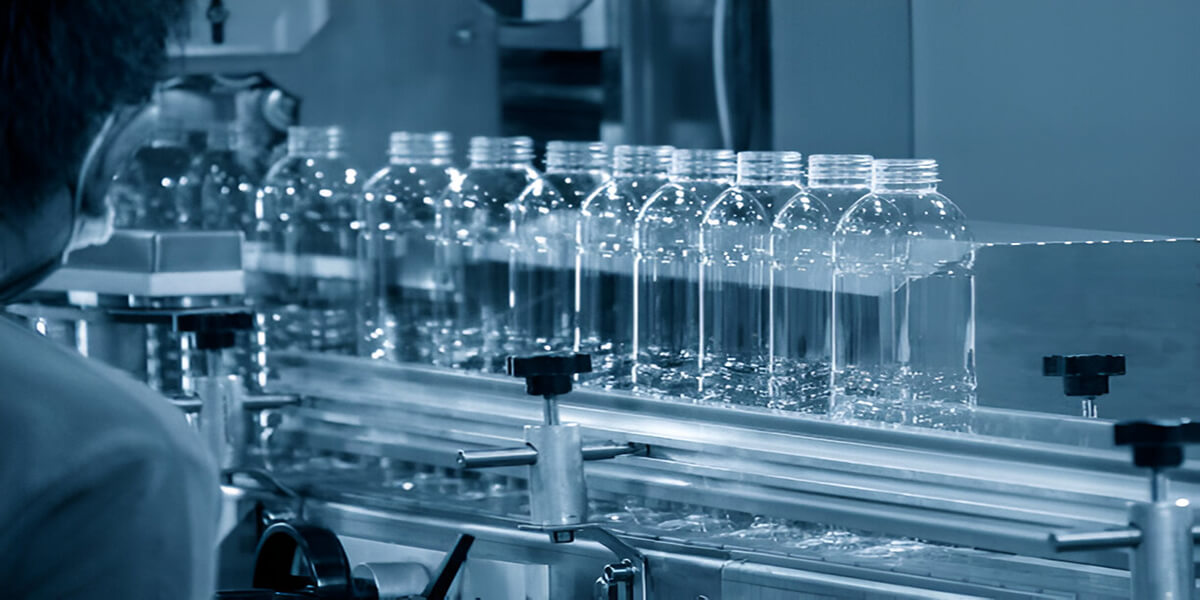
Bottled water is widely used because it is convenient and often perceived as safer than tap water. Many consumers assume that sealed bottled water is always pure and healthy. However, the safety and quality of bottled water depend on several factors that are not always understood.
At HUNK WATER TECHNOLOGIES, we believe it is important for people to make informed decisions about their drinking water. Below are some key points to consider.
Not all bottled water comes from natural springs or mountain sources. In many cases, it is sourced from municipal supplies and then treated. While treatment processes such as Reverse Osmosis (RO), UV disinfection, or ozonation can improve quality, standards may vary between manufacturers.
Water quality can be influenced by how bottles are stored and transported.
Most bottled water is packaged in PET plastic. Although designed for single use, issues can arise when:
Studies have also reported the presence of microplastics in some bottled water products.
Bottled water undergoes purification but is not sterile. Improper handling during bottling, transportation, or after opening may introduce contaminants. Once opened, bottles should be consumed promptly.
Consumers should review labels to understand what they are purchasing.
These categories differ in composition and intended benefits.
Regular consumption of bottled water can be costly over time. A properly installed home or office filtration system can provide a continuous supply of treated water at a lower long-term cost.
Plastic bottle waste contributes to environmental pollution. Reducing dependence on single-use bottles supports sustainability efforts.
Bottled water can be safe, but safety is not guaranteed in every situation. Factors such as source quality, purification methods, storage conditions, and handling practices all play a role.
For consistent and reliable water quality, many households and businesses choose professional filtration solutions. HUNK WATER TECHNOLOGIES provides domestic and commercial water treatment systems designed to meet modern safety standards.
Clean and safe drinking water is a basic need, but unfortunately, water pollution is increasing day by day. In Pakistan, many areas have water...
Blocked pipes are one of the most common problems in homes and businesses across Pakistan. If your water flow is slow or pipes are...
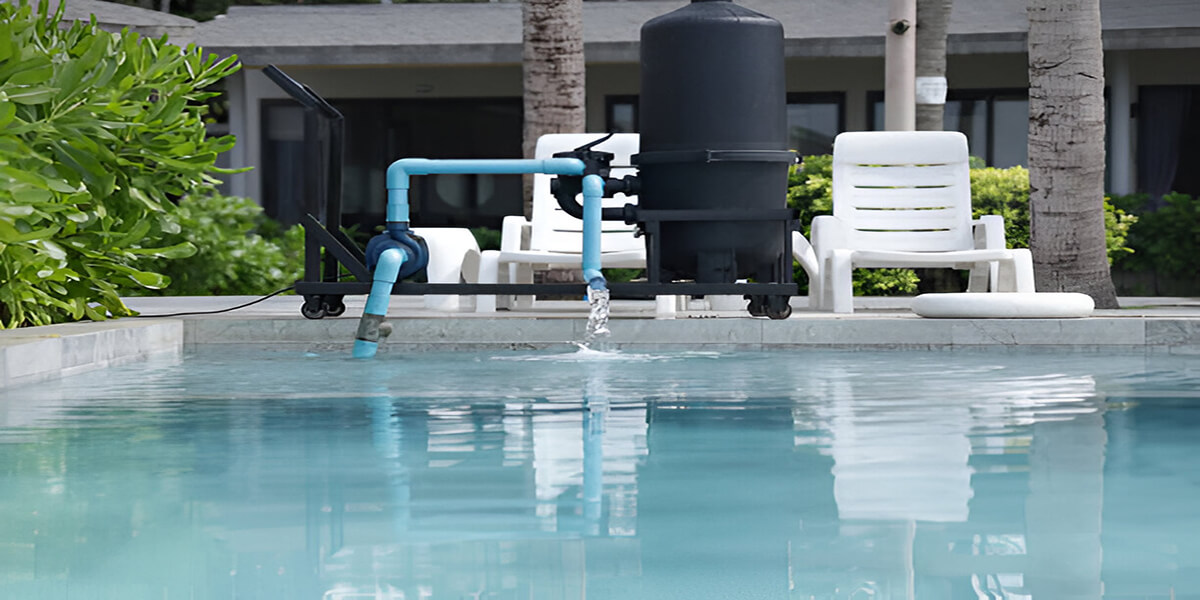
A clean and well-maintained swimming pool is not just about looks—it is essential for health, safety, and long-term performance. At HUNK WATER TECHNOLOGIES, we...