March 19, 2026

Clean and safe drinking water is a basic need, but unfortunately, water pollution is increasing day by day. In Pakistan, many areas have water...

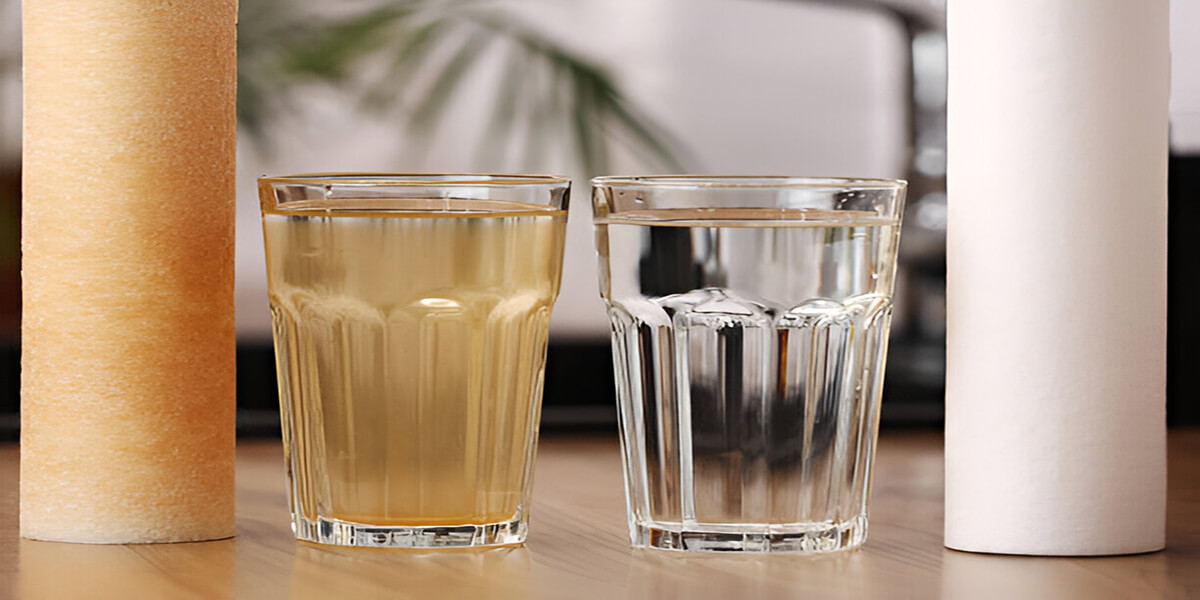
One common issue that affects water quality is turbidity. Turbidity refers to the cloudiness or haziness of water caused by suspended particles like dirt, silt, clay, organic matter, or microorganisms. Even if water looks clean, high turbidity can indicate contamination and potential health risks.
High turbidity can be more than just an aesthetic problem:
Turbidity can occur due to several reasons:
Turbidity is measured in NTU (Nephelometric Turbidity Units). Clear water usually has turbidity less than 1 NTU, while anything above 5 NTU may require treatment.
Signs of turbid water include:
Professional testing is the most reliable way to know turbidity levels.
Turbidity levels vary by location, water source, and season. At HUNK Water Technologies, we analyze your water for turbidity and other contaminants, then provide customized solutions to ensure clean, safe, and crystal-clear water for your home, office, or industrial use.
Turbid water is more than just a cosmetic issue — it can impact health, taste, and household appliances. Proper testing, filtration, and maintenance ensure your water is safe, clean, and enjoyable to use.
Clean and safe drinking water is a basic need, but unfortunately, water pollution is increasing day by day. In Pakistan, many areas have water...

Blocked pipes are one of the most common problems in homes and businesses across Pakistan. If your water flow is slow or pipes are...
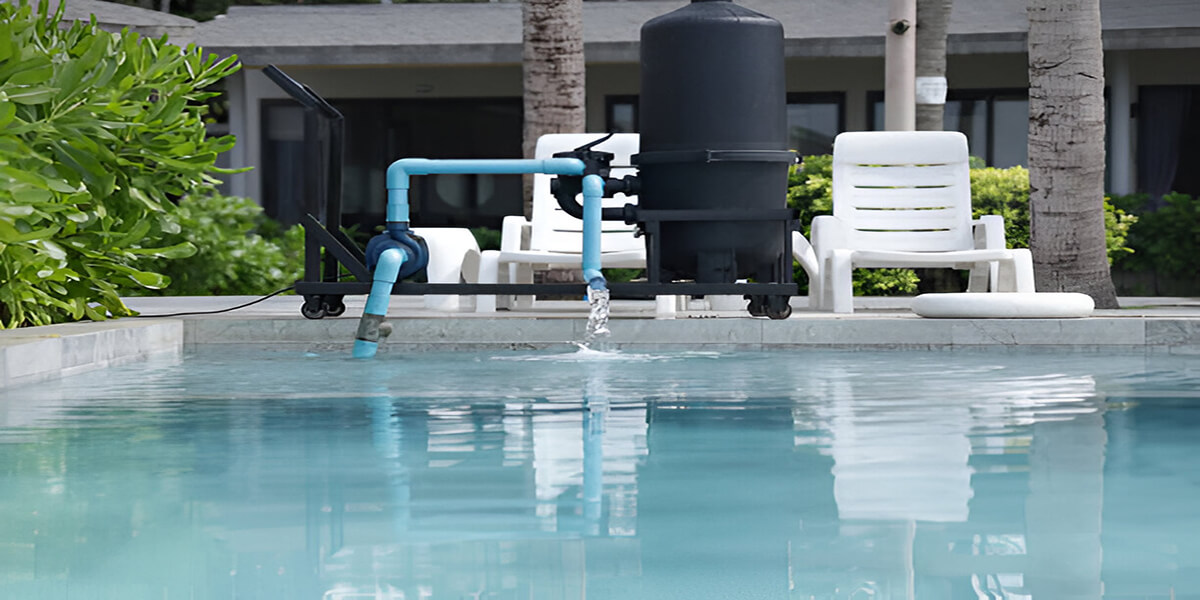
A clean and well-maintained swimming pool is not just about looks—it is essential for health, safety, and long-term performance. At HUNK WATER TECHNOLOGIES, we...