March 25, 2026

Clean and safe drinking water is not a luxury—it’s a necessity. In many areas of Pakistan, especially in cities like Lahore, water quality is...
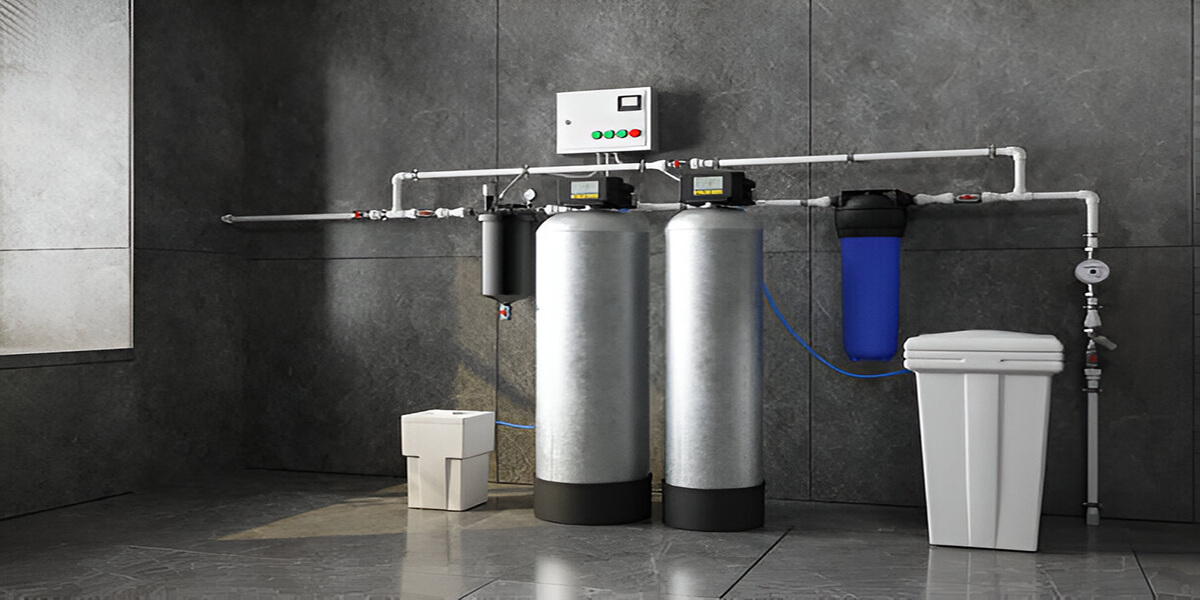
Hard water is a common problem in many households and businesses. It contains high levels of calcium and magnesium, which can cause scaling in pipes, reduce the lifespan of appliances, and even affect skin and hair health. A water softener is an effective solution to tackle these issues and provide cleaner, safer water.
A water softener is a device that removes hardness-causing minerals—primarily calcium and magnesium—from water. By exchanging these minerals with sodium or potassium ions, it softens the water for everyday use.
You may need a water softener if you notice:
When selecting a water softener, consider:
Hard water levels and water quality vary depending on location, source, and pipelines. At HUNK Water Technologies, we analyze your water and provide customized water softening solutions to ensure safe, clean, and soft water for your home, office, or industry.
A water softener is more than just a convenience—it protects your appliances, improves water quality, and benefits your health. Investing in a professional water softening system ensures long-term comfort, safety, and savings for your household or business.
Clean and safe drinking water is not a luxury—it’s a necessity. In many areas of Pakistan, especially in cities like Lahore, water quality is...
Clean and safe drinking water is a basic need, but unfortunately, water pollution is increasing day by day. In Pakistan, many areas have water...
Blocked pipes are one of the most common problems in homes and businesses across Pakistan. If your water flow is slow or pipes are...