March 19, 2026

Clean and safe drinking water is a basic need, but unfortunately, water pollution is increasing day by day. In Pakistan, many areas have water...
Iron can enter your water supply through:
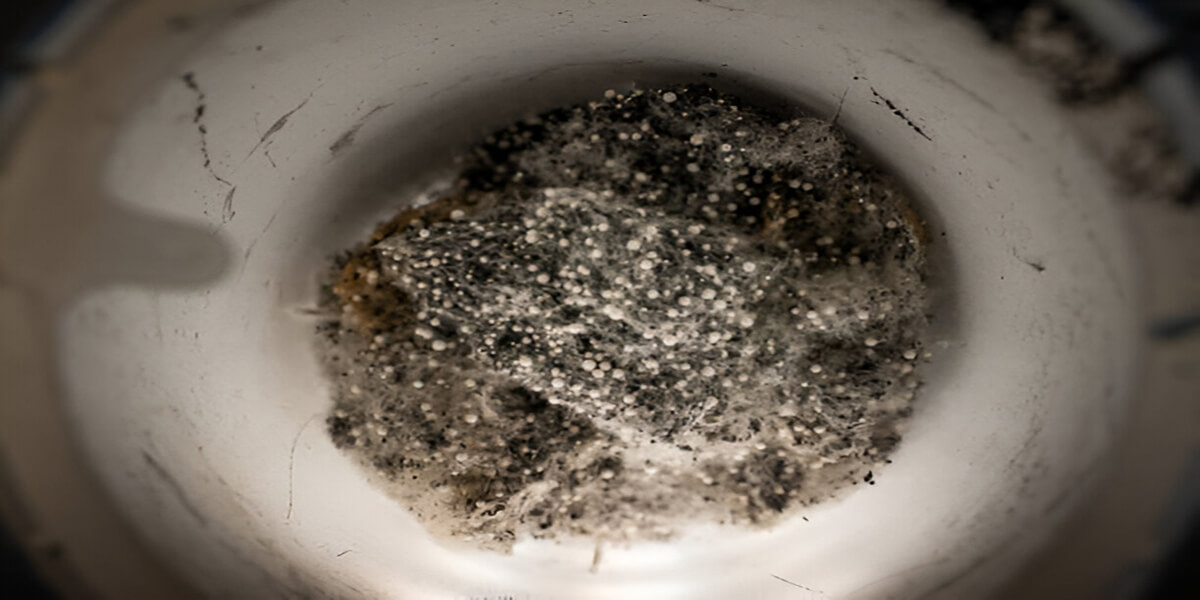
Excess iron in water is more than just an inconvenience — it can affect your health, household appliances, and water quality. With proper testing and filtration, you can enjoy safe, clean, and iron-free water at home or in your business.
Clean and safe drinking water is a basic need, but unfortunately, water pollution is increasing day by day. In Pakistan, many areas have water...
Blocked pipes are one of the most common problems in homes and businesses across Pakistan. If your water flow is slow or pipes are...
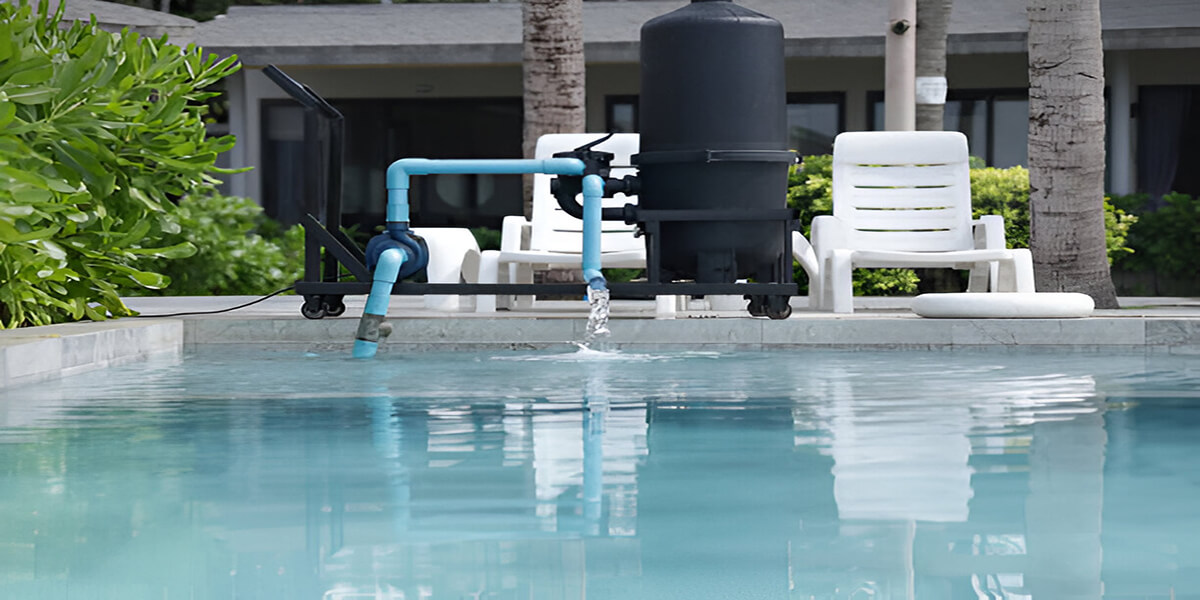
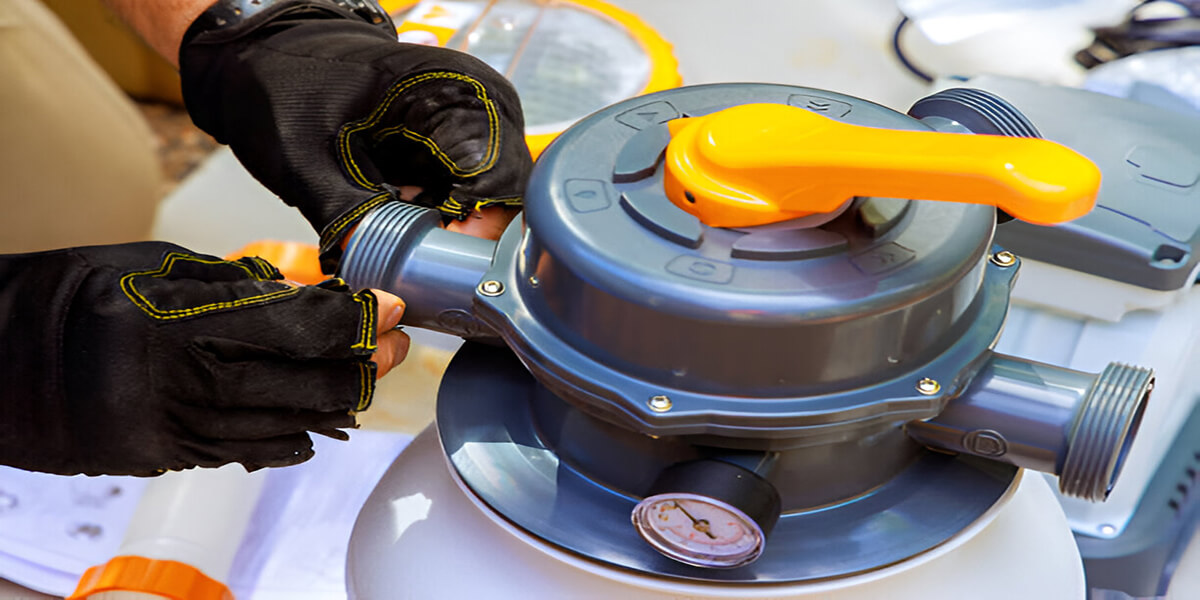
A clean and well-maintained swimming pool is not just about looks—it is essential for health, safety, and long-term performance. At HUNK WATER TECHNOLOGIES, we...